World
Israel signals limited reopening of Rafah crossing after captive recovery operation
Move tied to return of last Israeli body draws concern over aid access and civilian movement
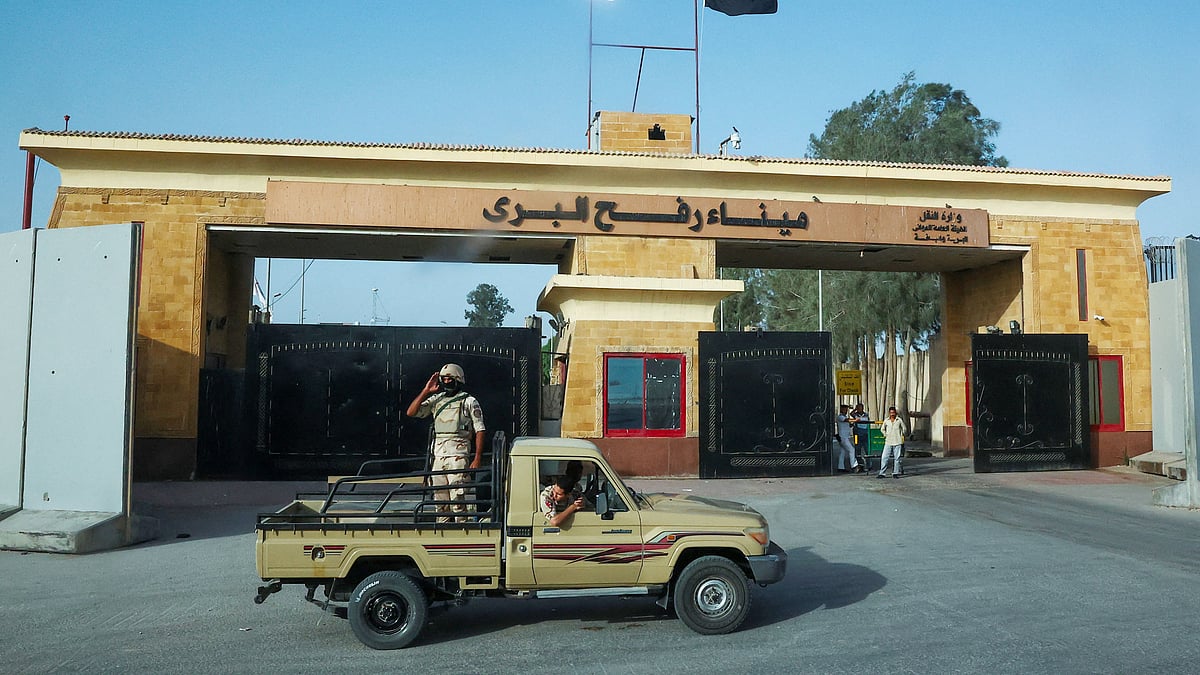
Israel has said it will permit a restricted reopening of Gaza’s Rafah crossing with Egypt once an operation to recover the body of the last remaining Israeli captive in the Palestinian territory is completed, linking the move to conditions placed on Hamas under an existing ceasefire agreement.
In a statement issued late on Sunday, the office of Prime Minister Benjamin Netanyahu said the crossing would reopen only for the movement of people and would be subject to a full Israeli inspection mechanism.
Al Jazeera said that the announcement came as Palestinians across Gaza mourned at least three people killed in Israeli attacks the same day.
The Rafah crossing was expected to reopen during the initial phase of a United States-brokered ceasefire in October. However, Netanyahu’s office said access would be “limited” and conditional on the return of all Israeli captives, living and deceased. All bodies have been returned except that of Ran Gvili, an Israeli police officer.
The Israeli military said on Sunday it was conducting searches in a cemetery in northern Gaza near the so-called “yellow line”, which demarcates Israeli-controlled areas, adding that it had several intelligence leads regarding the possible location of Gvili’s remains. Hamas, meanwhile, said it had already provided the location with what it described as full transparency and had met all its obligations under the ceasefire.
A spokesperson for Hamas’s armed wing, the Qassam Brigades, said the group was committed to resolving the issue without delay and called on international mediators to pressure Israel to implement the agreed terms.
Rafah is effectively the only gateway in or out of Gaza for most of the territory’s more than two million residents. The Gaza side of the crossing has been under Israeli military control since 2024. While the US-backed plan for Gaza envisages a full reopening of Rafah in both directions, Israel’s latest announcement limits access to pedestrian movement only.
Analysts and rights advocates warned that such restrictions could deepen humanitarian suffering and risk facilitating the permanent displacement of Palestinians.
Anthony Lowenstein, author of The Palestine Laboratory, said a pedestrian-only crossing would not address the urgent need to move humanitarian aid into Gaza, where large quantities of supplies remain stuck in Egyptian warehouses.
He also cautioned that tighter Israeli control over Rafah could encourage Palestinians to leave Gaza without being able to return, a concern echoed by other commentators.
Rami Khouri, a distinguished fellow at the University of Beirut, said the decision reflected a broader Israeli strategy of exerting control over every aspect of Palestinian life, from movement and medical care to access to food and water. He argued that while Hamas had fulfilled its ceasefire commitments, Israel was failing to do the same.
Meanwhile, Israeli military operations have continued across Gaza. Health officials said at least three Palestinians were killed in separate incidents on Sunday, while an Israeli drone strike wounded four others in Gaza City.
According to local authorities, more than 480 Palestinians have been killed since the ceasefire came into force in October, adding to the tens of thousands killed and wounded during more than two years of war.
Join our official telegram channel (@nationalherald) and stay updated with the latest headlines