World
Japan prioritises combat drones as China tensions reshape defence strategy
New defence white paper cites lessons from Ukraine and Middle East, calls for rapid drone development and stronger domestic arms industry
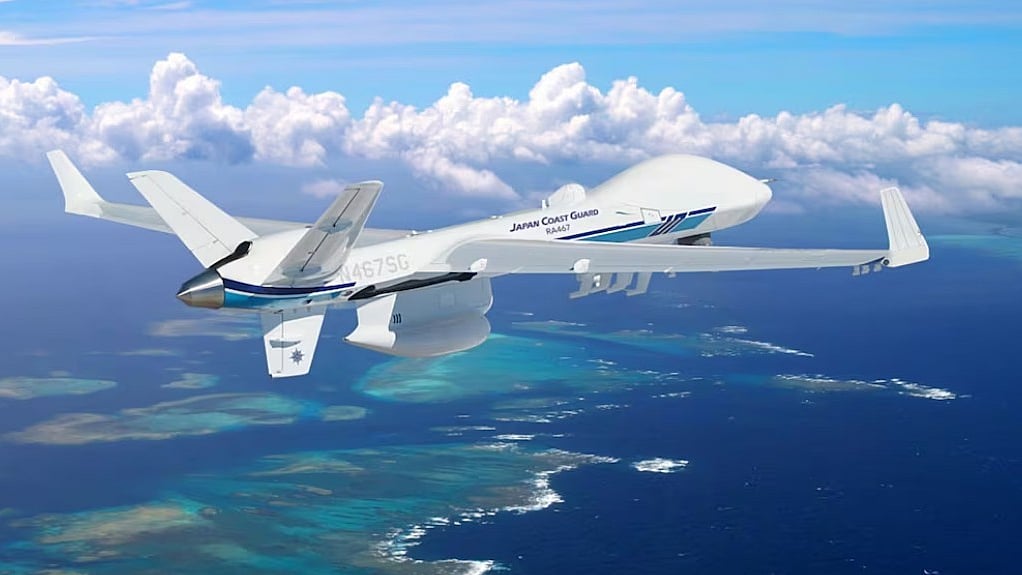
Japan will accelerate the development of combat drones and artificial intelligence-powered military capabilities as it adapts to evolving warfare and responds to growing security challenges from China, North Korea and Russia, according to its annual defence white paper approved by the Cabinet on Tuesday.
The 598-page document says Japan must adapt to the "new ways of warfare" demonstrated in conflicts in Ukraine and the Middle East, where drones have transformed the battlefield. It also reiterates that China remains Japan's "greatest strategic challenge".
The government said combat drones would play a key role in Japan's coastal defence alongside long-range cruise missiles, which Tokyo has begun deploying as part of its efforts to strengthen deterrence.
"Speed is key," Defence Minister Shinjiro Koizumi had said while outlining the programme in July.
Japan's Acquisition, Technology and Logistics Agency has shortlisted four companies from 38 applicants to develop combat drones under a rapid development programme. The prototypes are expected to undergo testing by the Maritime Self-Defense Force later this month before a final selection is made.
Separately, Toshiba announced plans last week to jointly develop combat drones with startup Pro Drone.
The government believes uncrewed systems could help offset Japan's shrinking pool of military recruits amid the country's declining population.
However, experts caution that developing indigenous combat drones will be challenging as Japan's commercial drone market remains heavily dependent on Chinese manufacturers.
The white paper expresses growing concern over China's expanding military footprint in the Pacific, describing Beijing's activities as increasingly assertive.
It cites the growing deployment of Chinese warships beyond the first island chain, expanded nuclear and missile capabilities, and joint military operations with Russia as major security concerns.
The report also refers to an incident in December in which Chinese military aircraft allegedly locked fire-control radar onto Japanese aircraft during drills involving a Chinese aircraft carrier near southwestern Japan.
It also highlights the unprecedented deployment of two Chinese aircraft carriers near Japan's southern island of Iwo Jima in June, describing it as another sign of China's expanding military reach.
Japan has continued strengthening military infrastructure on its southwestern islands amid concerns that any conflict over Taiwan could directly affect its security.
The paper also describes North Korea's rapidly advancing missile programme, including hypersonic weapons, as an "increasingly serious and pressing threat". It warns that military cooperation between Pyongyang and Moscow, particularly North Korea's support for Russia's war in Ukraine, poses an additional regional security challenge.
The government also pledged greater investment in Japan's defence industrial base, including support for startups, defence technology and scientific research.
Officials hope recent relaxation of Japan's long-standing restrictions on arms exports will boost domestic defence manufacturing and deepen security partnerships with allies.
Japan recently agreed to jointly develop and supply 11 upgraded Mogami-class frigates to Australia, is in talks on a similar arrangement with New Zealand, and has reached an agreement to transfer retired destroyers to the Philippines.
Join our official telegram channel (@nationalherald) and stay updated with the latest headlines