World
Jerusalem: Al-Aqsa mosque shut on Eid, hundreds offer prayers outside Old City gates
Closure draws international criticism as Palestinians allege tightening restrictions at holy site
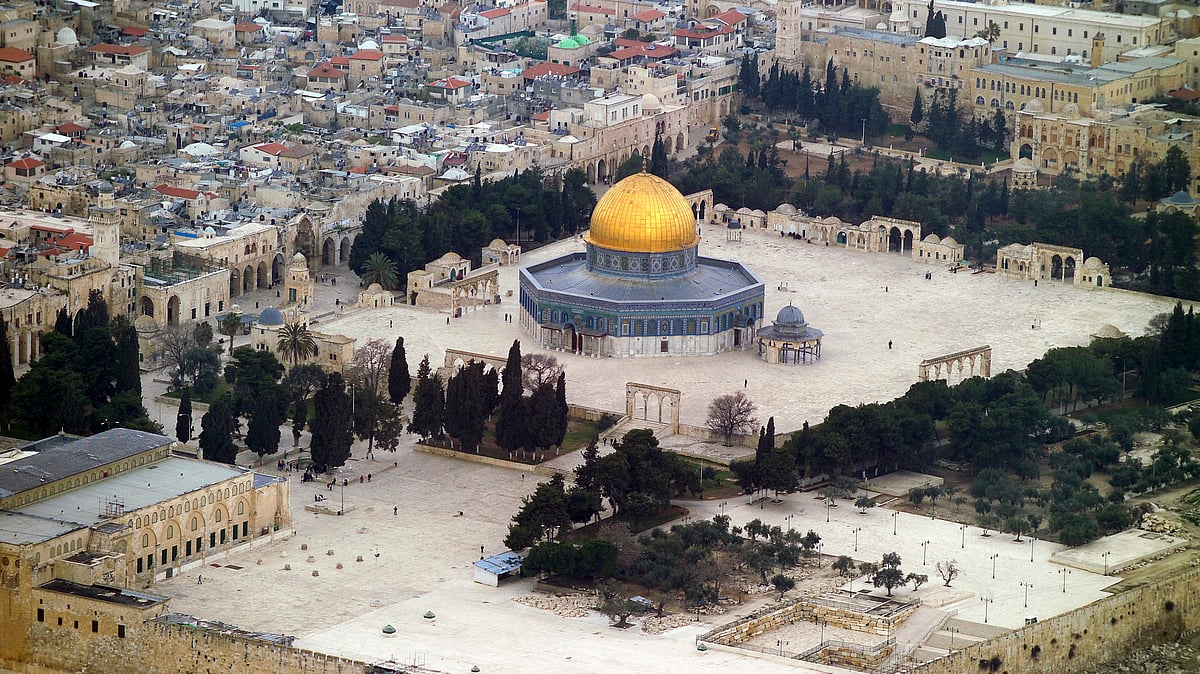
The Al-Aqsa mosque compound in Jerusalem remained closed to Muslim worshippers at the end of Ramadan on Friday for the first time in decades, with hundreds forced to offer Eid prayers outside the Old City amid heightened tensions linked to the ongoing Israel-Iran conflict.
Israeli authorities cited security concerns following the escalation of hostilities since 28 February, when the US and Israel launched strikes on Iran, as the reason for restricting access to the site.
Police barricaded entrances to the compound, preventing worshippers from entering and forcing many to gather near the gates of the Old City.
Worshippers stopped, prayers held outside
Eyewitnesses said Israeli forces blocked access routes early in the morning, with some worshippers being dispersed.
Hundreds were seen praying outside the Old City after being denied entry, while at least seven Palestinians were detained, according to reports.
A Jerusalem resident described the development as unprecedented.
“Today is the saddest day for Muslim worshippers in Jerusalem… What I fear is that this sets a dangerous precedent,” a worshipper was quoted as saying.
Site at centre of religious sensitivities
The Al-Aqsa mosque compound, known to Muslims as al-Haram al-Sharif, includes the Dome of the Rock and is one of Islam’s holiest sites. Jews refer to the area as the Temple Mount, believed to be the location of ancient Jewish temples.
The site has long been a flashpoint in the Israeli-Palestinian conflict.
Palestinians alleged that the restrictions are part of a broader effort to tighten control over the complex under the cover of security measures.
Increased restrictions, arrests reported
Reports indicated a rise in arrests and restrictions in recent months, including detentions inside the mosque precinct and limits on entry for Palestinians during Ramadan.
Businesses in the Old City were also affected, with many shops reportedly barred from opening, adding to economic strain on local traders.
The closure drew condemnation from regional organisations, including the Arab League and the Organisation of Islamic Cooperation, which termed the move a violation of international law and religious rights.
In a joint statement, they said the action risked inflaming tensions and undermining freedom of worship.
Security concerns amid wider conflict
Tensions in Jerusalem remain high amid the broader regional conflict. An explosion was reported in the city after an Iranian missile was intercepted, with debris causing minor damage near the Old City, though no casualties were reported.
The closure marks a rare restriction on access to the Al-Aqsa mosque during Ramadan, one of the holiest periods in the Islamic calendar.
Observers said the development could further heighten tensions in the region, particularly given the mosque’s religious and political significance.
Join our official telegram channel (@nationalherald) and stay updated with the latest headlines