World
New forensic report challenges Jeffrey Epstein’s suicide ruling
Findings remain disputed and unreviewed, with no conclusive evidence overturning the official determination of suicide
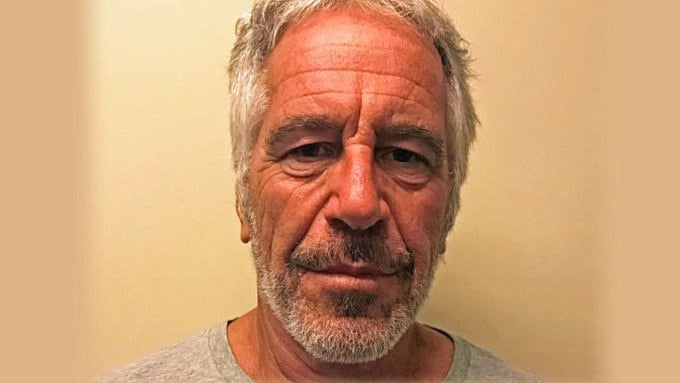
Forensic expert Dr Michael Freeman's new analysis suggests Epstein's injuries may be more consistent with homicide than suicide
Epstein's brother, Mark, has urged authorities to launch a fresh murder investigation, while the medical examiner continues to stand by the suicide ruling
The findings remain disputed and unreviewed, with no conclusive evidence overturning the official determination of suicide
A fresh forensic analysis of Jeffrey Epstein's post-mortem records has reignited questions surrounding his death in a New York prison in 2019, with a forensic expert arguing that the injuries documented on his body are more consistent with homicide than suicide.
Dr Michael Freeman, a forensic medicine expert, presented his findings in London on 16 November after spending months examining autopsy records, photographs and other medical evidence supplied by Epstein's brother, Mark Epstein.
Freeman said his review suggested that Epstein may have been assaulted and strangled from behind, challenging the official conclusion that the convicted sex offender died by suicide while awaiting trial on federal sex-trafficking charges.
Working with Swedish forensic pathologist Anders Eriksson and researcher Itiel Dror, Freeman examined the injury patterns documented in the post-mortem records and developed a three-dimensional reconstruction to assess possible explanations for the injuries.
Among the findings he highlighted were unusual ligature marks on Epstein's neck, injuries to his face, apparent fingernail marks and deep internal bleeding in his left shoulder. He also questioned an injury to Epstein's back, arguing that these findings were not adequately explained by the theory of suicidal hanging.
Freeman suggested that a narrow, knotted piece of fabric found in Epstein's cell could potentially explain the pattern of injuries on his neck. He argued that the marks were consistent with pressure applied from behind during a possible strangulation.
However, his conclusions remain disputed and have not changed the official determination of Epstein's cause of death.
The New York City office of chief medical examiner, however, has firmly defended its original finding. In a statement, the office said it continued to stand by its determination that Epstein died by suicide through hanging. The original autopsy was conducted on 11 August 2019, a day after his body was discovered.
Freeman's report also marks the second major independent forensic examination to question the suicide ruling. In 2020, forensic pathologist Dr Michael Baden, who was hired by Epstein's brother, similarly raised concerns over the injuries to Epstein's neck and said they warranted further scrutiny.
Reacting to the latest findings, Mark Epstein called for authorities to launch a full-scale murder investigation, arguing that the new analysis provided grounds for reopening the case.
He said he found Freeman's conclusions convincing and questioned why the circumstances surrounding his brother's death had not been investigated more thoroughly.
Freeman, however, has not identified any suspected individual responsible for the alleged killing and said his examination was focused on the forensic evidence rather than identifying a possible perpetrator.
Epstein was found dead on 10 August 2019, inside his cell at the Metropolitan Correctional Center in Manhattan, where he was awaiting trial on federal sex-trafficking charges.
His death was officially ruled a suicide, but the investigation was subsequently overshadowed by serious failures inside the prison. Surveillance cameras near his cell were not functioning properly, prison guards failed to carry out required checks, and some staff members falsified records relating to their duties.
A 2023 Justice Department inspector general investigation documented significant security and supervision failures. However, the FBI found no evidence of criminality connected to Epstein's death.
Despite the fresh claims, Freeman's analysis has not been peer-reviewed. CBS News reported that an academic journal had declined to publish the report, with Freeman saying he intended to submit it again.
The findings also remain contested. The New York medical examiner continues to maintain that the injuries were consistent with suicide, while a New York Times investigation reported that the available medical evidence alone could not conclusively establish whether Epstein died by suicide or homicide.
The latest forensic examination has therefore reopened debate over one of the most controversial prison deaths in recent US history, but it has not overturned the official ruling or established that Epstein was murdered.
With agency inputs
Join our official telegram channel (@nationalherald) and stay updated with the latest headlines