World
No clarity on US ‘15-point peace plan’ as Tehran casts doubts amid ongoing strikes
Tehran has not acknowledged any proposal, while mediators are said to be pushing for talks in Islamabad within 48 hours
This story will be updated when Iran responds.
Iran has sharply rebuffed suggestions of a potential ceasefire with the United States, casting further doubt on reports of a proposed “15-point” peace plan as the conflict continues to escalate.
In a televised statement on Wednesday, Lt Col Ebrahim Zolfaghari, a spokesperson for Iran’s Khatam Al-Anbiya Central Headquarters, openly mocked Washington’s claims of ongoing negotiations.
“Have your internal conflicts reached the point where you are negotiating with yourselves?” he said, dismissing the idea of any meaningful dialogue.
“Our first and last word has been the same from day one, and it will stay that way: someone like us will never come to terms with someone like you — not now, not ever,” he added.
The remarks underscore Tehran’s hardened stance and raise fresh questions about whether any diplomatic initiative — including the reported US proposal — has a realistic chance of gaining traction.
According to US media reports, Washington has conveyed a plan to Iran via Pakistani intermediaries, who have also offered to host direct talks in Islamabad. However, no official document has been released, and the contents of the purported plan remain unverified.
Mediators from Turkey, Egypt and Pakistan are said to be encouraging both sides to meet within 48 hours, signalling a sense of urgency as the war enters a critical phase. Yet Iran’s public messaging suggests little appetite for engagement on the terms currently being discussed.
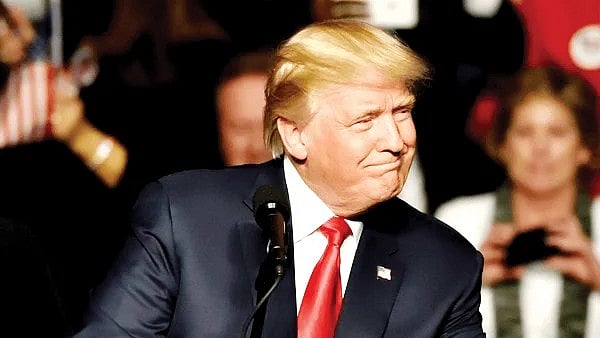
US President Donald Trump has maintained that negotiations are under way, but Iranian officials have consistently denied this, even while acknowledging indirect communication through third parties. The contradiction has fuelled scepticism over whether the reported proposal represents a concrete framework or merely a tentative diplomatic signal.
The uncertainty comes as military activity intensifies. Airstrikes have continued to hit targets inside Iran, while Iranian missiles and drones have struck Israel and locations across the region, raising fears of further escalation.
At the same time, the United States is reinforcing its military presence, with the Pentagon deploying additional Marine units that could bring thousands more personnel into the region. Officials have framed the move as giving Washington “maximum flexibility” in determining its next steps.
The diplomatic overture has also reportedly caught Israeli officials off guard, particularly as they have been urging Washington to maintain military pressure on Iran rather than pivot towards negotiations.
Beyond the battlefield, the economic consequences of the conflict are becoming increasingly severe. Iran’s disruption of shipping through the Strait of Hormuz — a vital artery for global energy supplies — has driven up oil prices and heightened concerns about the wider impact on the world economy.
Facing rising fuel costs and domestic pressure, the Trump administration appears keen to explore an off-ramp. However, Tehran’s response suggests that any such effort will encounter significant resistance.
In his remarks, Zolfaghari framed the US position as one of weakness rather than strength.
“The one claiming to be a global superpower would have already gotten out of this mess if it could,” he said. “Don’t dress up your defeat as an agreement. Your era of empty promises has come to an end.”
With no confirmed framework, no agreed terms and no indication of direct talks, the notion of a structured peace plan remains uncertain. For now, diplomacy appears to be running parallel to — rather than replacing — an intensifying conflict.
Join our official telegram channel (@nationalherald) and stay updated with the latest headlines