World
Pakistan eases curbs in Islamabad, Rawalpindi as US-Iran talks unlikely
Restrictions relaxed after Iranian FM visit; heavy security remains amid uncertainty over negotiations
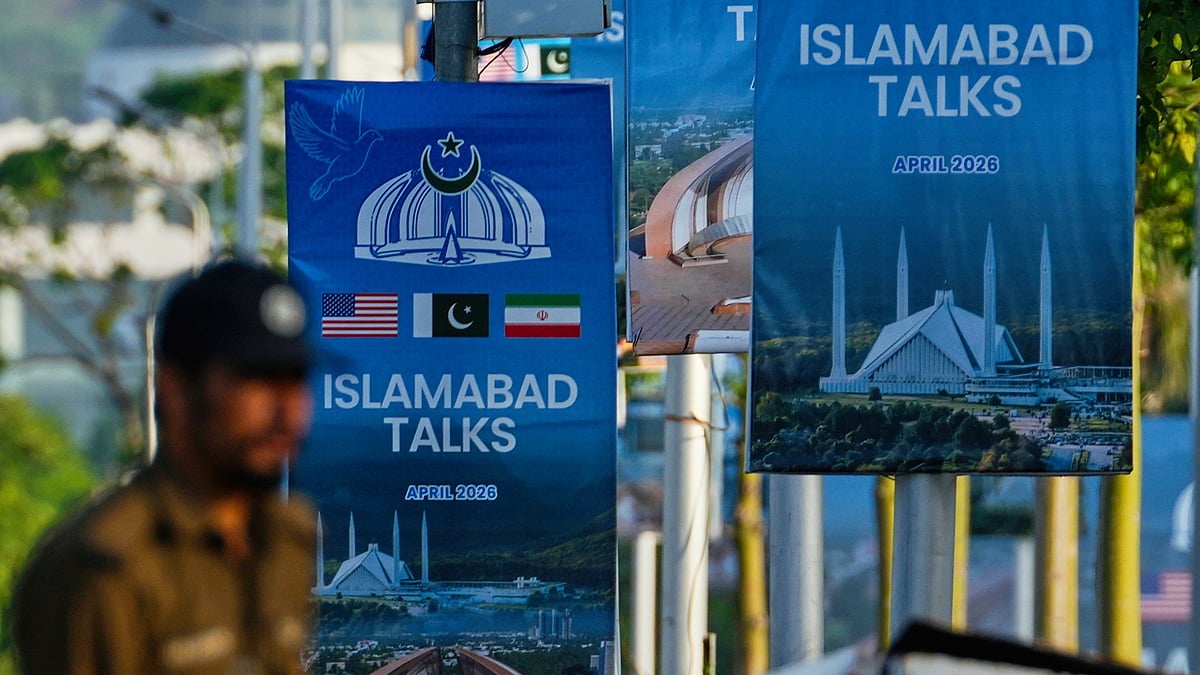
Pakistan on 26 April eased restrictions in Islamabad and Rawalpindi, allowing limited movement of heavy vehicles, after there was no immediate prospect of a second round of talks between the United States and Iran.
The curbs had been imposed last week amid heightened security preparations for possible negotiations between the two countries.
Authorities allowed trucks carrying medicines, perishable goods and essential supplies to enter the twin cities, even as police warned that traffic diversions could still be enforced if required.
The easing followed the departure of Abbas Araghchi from Islamabad on 25 April without waiting for US negotiators.
US President Donald Trump subsequently cancelled plans to send American officials for talks in Pakistan.
Heavy security deployment continues
More than 10,000 security personnel had been deployed across Islamabad and Rawalpindi in anticipation of the talks, with major roads sealed and movement restricted over the past week.
While restrictions have now been partially lifted, police said deployment of law enforcement personnel remains in place and some key routes may still be closed if required.
Normalcy gradually returning
With the easing of curbs, several universities in the twin cities have announced a return to physical classes from 27 April after holding online sessions during the past week.
Officials said the situation is being monitored and further decisions will depend on developments related to diplomatic activity.
During his visit, Araghchi held meetings with Pakistan’s leadership, including Prime Minister Shehbaz Sharif and Army Chief Asim Munir, and discussed proposals aimed at ending the ongoing conflict.
Araghchi described the visit as “very fruitful” and appreciated Pakistan’s role in facilitating dialogue.
Uncertainty over future talks
There is no official confirmation on whether talks between Washington and Tehran will take place in the near future.
Some media reports suggested that Araghchi could return to Islamabad after visiting Oman, though this has not been officially confirmed.
The conflict began on 28 February following joint military action by the United States and Israel against Iran, triggering a wider regional escalation.
Pakistan has positioned itself as a potential venue for diplomatic engagement, though uncertainty continues over the timing and prospects of further negotiations.
Join our official telegram channel (@nationalherald) and stay updated with the latest headlines