World
Russia believes it can ‘outsmart’ US in Ukraine peace talks: Estonian intelligence chief
Tallinn’s foreign intelligence head says Moscow playing for time, doubts Kremlin intent to compromise despite US-led negotiations
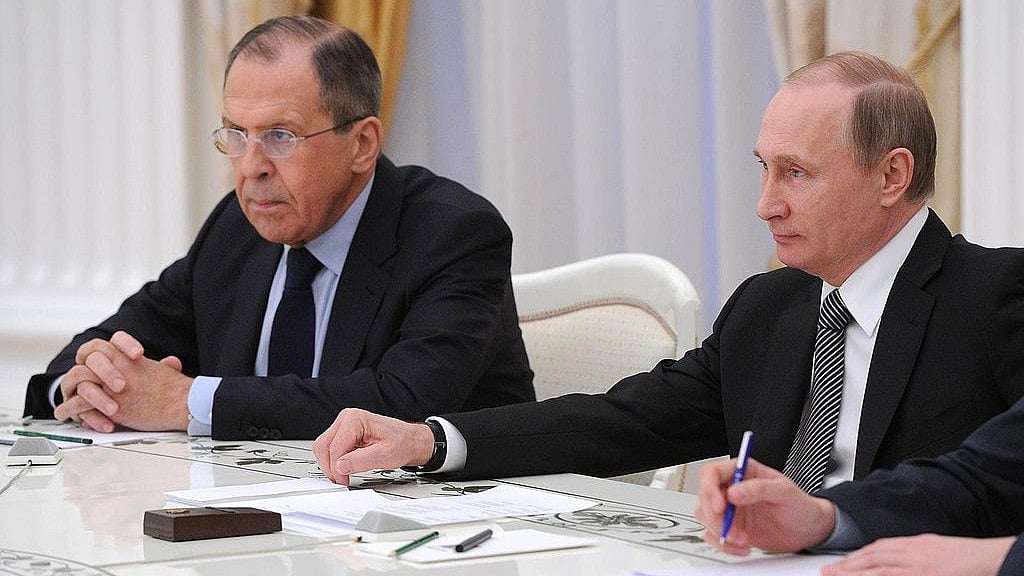
Russia has no real intention of ending its nearly four-year-old war in Ukraine and believes it can “outsmart” the United States during ongoing peace talks, the head of Estonia’s foreign intelligence service said, casting doubt on prospects for a negotiated settlement.
Kaupo Rosin, director general of Estonia’s Foreign Intelligence Service, said Moscow is using talks with Washington to buy time rather than engage in meaningful negotiations. Speaking at an online briefing ahead of the release of Estonia’s annual security report on Tuesday, Rosin said Russian officials remain convinced they can secure their objectives through prolonged conflict.
“From what we see in Russian internal discussions, there is absolutely no discussion about how to really cooperate with the US in a meaningful way,” Rosin said, adding that Moscow’s strategy is to drag out the process while maintaining military pressure on Ukraine. He did not elaborate on how the intelligence was obtained.
Russian officials have publicly maintained that they are open to a negotiated solution, but Rosin said there is little evidence of willingness to compromise. He said the Kremlin continues to insist that its demands be met, signalling that any talks are tactical rather than substantive.
US-brokered contacts between Russian and Ukrainian representatives in recent weeks have been described by officials on both sides as constructive, but there has been no visible movement on core issues, including territory and security guarantees.
According to Rosin, Russian President Vladimir Putin still believes he can achieve a military victory in Ukraine. “In his head, he still thinks that he can actually militarily win at some point,” Rosin said, suggesting that this belief underpins Moscow’s negotiating posture.
A White House official responded to the Estonian assessment, saying US negotiators had made “tremendous progress” in efforts to end the war. Citing recent prisoner exchanges, the official pointed to an agreement reached in Abu Dhabi involving the US, Ukraine and Russia to release more than 300 detainees as evidence that diplomacy was advancing. The official spoke on condition of anonymity, saying they were not authorised to comment publicly.
Ukrainian President Volodymyr Zelenskyy said last week that Washington had indicated a June deadline for Ukraine and Russia to reach a settlement. US President Donald Trump has set multiple timelines over the past year for progress on peace, several of which have passed without clear outcomes.
Fiona Hill, a Russia specialist and former adviser to Trump during his first term, said US officials appear invested in portraying Trump as a peacemaker and may therefore be reluctant to challenge the assumption that Putin wants to end the war. “Both leaders need their version of events to play out,” Hill said, describing competing narratives of Putin as a victor and Trump as a dealmaker.
Hill questioned why US officials believe Putin is committed to peace, noting that intelligence assessments may not align with political messaging. She said it was unclear what intelligence Trump receives on Russia or how closely he engages with it.
Hill added that Trump relies heavily on key envoys, including special envoy Steve Witkoff and son-in-law Jared Kushner, who may underestimate the extent to which Putin is willing to absorb economic damage in pursuit of control over Ukraine. Referring to reports that Witkoff has attended meetings with Putin without a US State Department translator, Hill raised concerns about whether nuances were fully understood and suggested negotiators may be “selectively” hearing what they want to hear.
Rosin said Putin’s fixation on controlling Ukraine runs so deep that it overrides economic considerations and is likely to prolong the conflict for years unless circumstances change dramatically. He said Putin’s position might shift only if the situation in Russia or on the battlefield became “catastrophic” enough to threaten his grip on power.
One factor reinforcing Putin’s confidence, Rosin said, is that he may be receiving inaccurate or overly optimistic reports from subordinates. While some Russian officials are aware of the difficulties on the ground, those higher up the chain tend to receive more positive assessments.
“The lower you go in the food chain, the more people understand how bad it actually is,” Rosin said, adding that senior officials have at times been told Russian forces captured Ukrainian settlements when that was not the case. As a result, reports reaching Putin may present a far rosier picture than reality.
Hill said the dynamic was not unique to Moscow, arguing that leaders in both Russia and the US are often told what they want to hear by aides seeking to please them. That, she said, risks reinforcing miscalculations on both sides at a critical moment in the conflict.
Despite diplomatic activity, Rosin said there was no indication that Moscow was prepared to abandon its core objectives. “For now,” he said, “the belief in the Kremlin is that Russia can take Ukraine and outlast — and outmanoeuvre — everyone else.”
Join our official telegram channel (@nationalherald) and stay updated with the latest headlines