World
Tehran shakes under heaviest US-Israeli strikes yet
Residents shaken by low-flying jets, explosions as Hegseth vows heaviest strikes
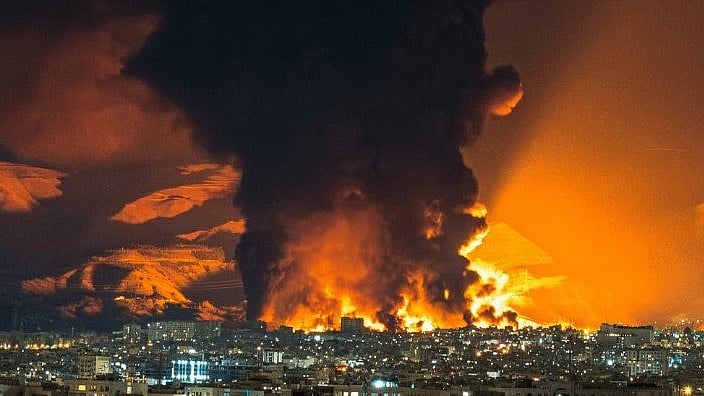
Tehran experienced one of its heaviest nights of US-Israeli bombardment since the war began 10 days ago, with low-flying warplanes dropping dozens of explosives across the 10-million-strong capital, residents told Al Jazeera.
Fighter jets roared overhead for 15 minutes straight, shaking buildings and turning night into day with bright flashes, said Sima, 38, from western Tehran near Azadi Tower. "The ground, windows and our hearts were shaking. We sheltered in the bathroom," she told Al Jazeera, requesting anonymity for security.
Alireza, 25, central Tehran, kept his apartment door unlocked for quick access to underground parking, as the city lacks official shelters or early warning systems.
US Defence Secretary Pete Hegseth called Tuesday the "most intense day of strikes inside Iran", targeting missile and drone capabilities, navy assets and mine-laying systems, Joint Chiefs Chairman Dan Caine said at Pentagon briefing.
Strikes followed Sunday's fuel depot attacks creating thick smoke plumes over the city. Videos showed eerie blue flashes from power generation damage, with electricity briefly cut in areas before restoration.
Iran imposed an 11th day of near-total internet blackout, limiting access to local intranet amid state media control. NetBlocks called it among the "most severe government-imposed shutdowns globally".
IRGC Basij paramilitaries set checkpoints across Tehran; judiciary warned prosecution for filming strikes without permits, threatening execution and asset confiscation for "enemy-aligned" acts. GPS and radio signals jammed; VPNs sold on black market at high prices.
Grand Bazaar shops opened mornings amid petrol queues post-oil facility hits. Authorities prioritised Nowruz food/medicine imports via barter as 70 per cent inflation squeezes households.
India, reliant on 82 per cent imported oil with 40 per cent via Hormuz, faces 25 per cent ATF surge since February, impacting IndiGo and 15 crore air passengers annually.
The war began 28 February targeting nuclear sites after IRGC attacks. Hegseth prioritised Fateh-110 SRBMs (Iran, introduced 2002) and Shahed-136 drones (Iran, introduced 2021). Casualties exceed 1,300 Iranian civilians; Hormuz closed 11 days with 150 tankers stalled.
Join our official telegram channel (@nationalherald) and stay updated with the latest headlines