World
Trump signs $1.2tn funding bill to end partial US government shutdown
Stopgap deal restores most federal operations but sets up fresh clash over homeland security funding
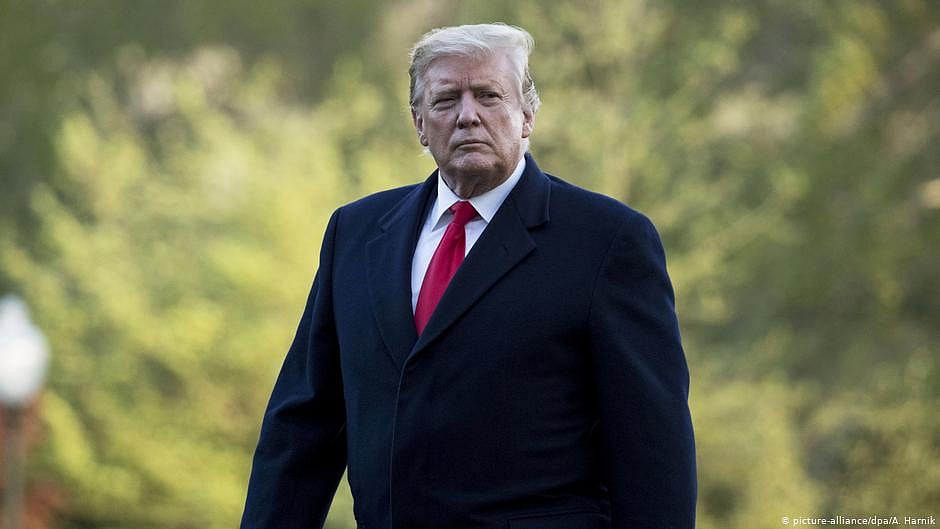
US President Donald Trump has signed a roughly $1.2 trillion government funding package, bringing an end to the partial federal shutdown that began over the weekend and averting further immediate disruption to government services.
The president signed the bill shortly after it narrowly cleared the House of Representatives by 217 votes to 214 on Tuesday. “This bill is a great victory for the American people,” Trump said.
The legislation completes congressional approval of 11 annual appropriations bills, funding most federal departments and agencies through to 30 September. Its passage formally ends the shutdown that started on Saturday after lawmakers failed to agree on a broader spending framework.
While the deal resolves one funding standoff, it opens the door to another. The package only extends funding for the Department of Homeland Security for two weeks, until 13 February, setting the stage for a tense and politically charged debate over immigration enforcement.
Democrats have insisted on tighter controls on the department’s operations, particularly US Immigration and Customs Enforcement (ICE), following the fatal shooting of Alex Pretti and Renee Good by federal officers in Minneapolis. House Democratic leader Hakeem Jeffries warned that his party would not back any further short-term funding without significant reforms.
“We need dramatic change to ensure that ICE and other homeland security agencies conduct themselves like every other law enforcement organisation in the country,” Jeffries said, raising the prospect of another shutdown focused solely on the department.
House Speaker Mike Johnson struck a more hopeful note, saying he believed a compromise could be reached before the deadline. “This is no time to play games with that funding,” he said, adding that the White House was actively engaged in talks. However, Senate majority leader John Thune was less confident, remarking wryly: “There’s always miracles, right?”
The funding package included measures designed to appeal across party lines. Republicans welcomed the avoidance of a large, end-of-year omnibus spending bill, which they argue fuels excessive government expenditure. Democrats, meanwhile, succeeded in blocking some of the administration’s deepest proposed cuts and secured provisions reinforcing congressional oversight of how funds are spent.
Despite that balance, passage was far from smooth. Johnson required near-unanimous backing from his party, keeping the vote open for nearly an hour as leaders worked to persuade reluctant Republicans. In the final tally, 21 Republicans joined most Democrats in opposing the bill, while an equal number of Democrats crossed the aisle to support it.
The shutdown that has now ended was narrower in scope than last autumn’s impasse, which lasted a record 43 days and affected a wider range of agencies. Several key programmes, including nutrition assistance and the operation of national parks, had already been funded through September, limiting the immediate impact this time.
With Tuesday’s vote, the vast majority of the federal government is now funded. “You might say 96 per cent of the government is covered,” Johnson said. “But it’s a very important remaining 4 per cent.”
With agency inputs
Join our official telegram channel (@nationalherald) and stay updated with the latest headlines