World
Trump signs order threatening extra tariffs on countries trading with Iran
Executive order cites 25% levy as example; move comes amid US–Iran nuclear talks in Oman
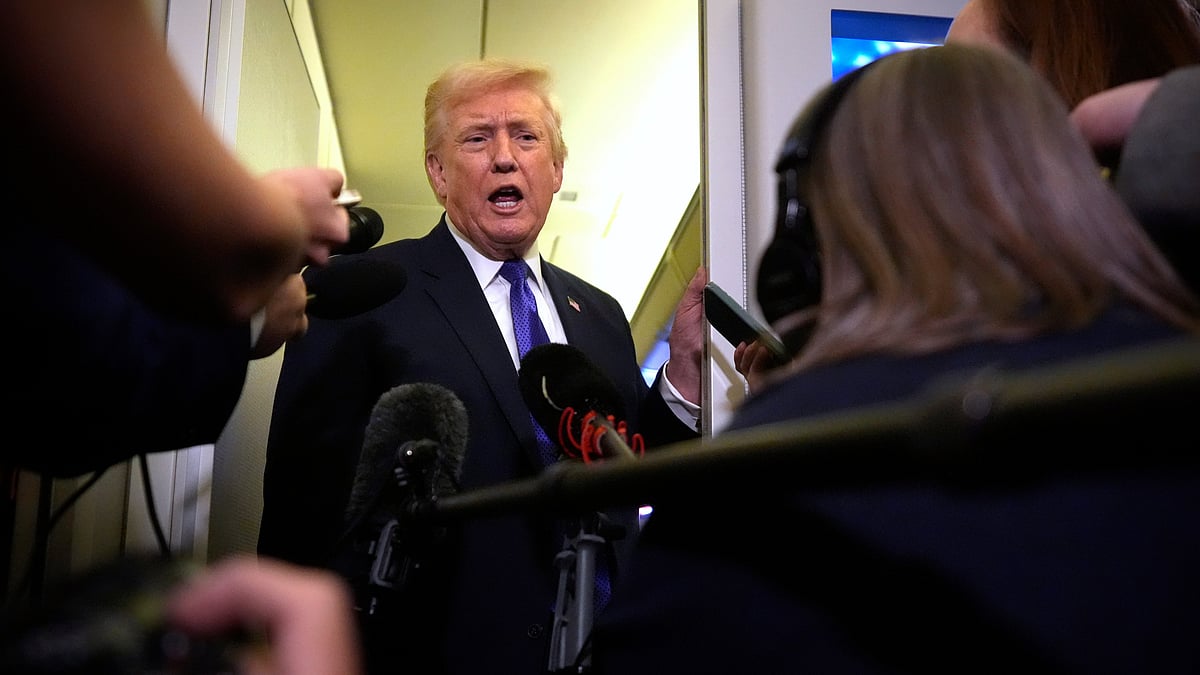
US President Donald Trump has signed an executive order threatening to impose additional tariffs on countries that continue to trade with Iran, escalating economic pressure on Tehran even as diplomatic talks between the two sides continue.
The order, signed on Friday, does not fix a specific tariff rate but cites 25 per cent as an illustrative example. It states that tariffs could be imposed on goods imported into the United States from any country that “directly or indirectly purchases, imports, or otherwise acquires any goods or services from Iran”.
While Trump has not commented directly on the order, he reiterated his long-held position that Iran must not be allowed to acquire nuclear weapons. Speaking to reporters aboard Air Force One on Friday night, he said, “No nuclear weapons,” when asked about Iran.
The White House said the executive order reaffirms an “ongoing national emergency with respect to Iran” and allows the president to modify the measures if circumstances change. It said the move was aimed at holding Iran accountable for its nuclear programme, ballistic missile development, support for terrorism and actions that Washington says destabilise the region.
Separately, the US State Department announced fresh sanctions on 15 entities accused of trading in Iranian-origin crude oil, petroleum products or petrochemicals. There was no immediate response from Tehran to either announcement.
The order comes as senior US and Iranian officials are engaged in talks in Oman, the first such engagement since last June, when the US bombed Iran’s three main nuclear facilities. The discussions are being mediated by Oman and follow weeks of sharp rhetoric from both sides.
Trump had earlier threatened similar tariffs in a post on his social media platform, Truth Social, in January, declaring that any country doing business with Iran would face a 25 per cent tariff on trade with the US. At the time, details on implementation were not provided.
Iran is already subject to extensive US and Western sanctions over its nuclear activities, which it insists are entirely peaceful. Under the 2015 nuclear agreement with world powers, Iran accepted strict limits on uranium enrichment in return for sanctions relief. Trump withdrew the US from that deal in 2018, reinstating sweeping sanctions, including so-called secondary sanctions on countries trading with Iran.
Despite these restrictions, Iran continues to trade with more than 100 countries. China remains its largest export partner, followed by Iraq, while the United Arab Emirates and Turkey are also major destinations for Iranian goods.
Speaking after the latest round of talks, Trump said discussions had been “very good” and claimed Iran was keen to reach a deal, warning that consequences would be “very steep” if negotiations failed. Omani officials described the talks as constructive, while Iran’s foreign minister said they were “a good start” and that consultations would continue in the coming days.
Rising tensions between Washington and Tehran have fuelled fears of a wider conflict, with Trump repeatedly warning of military action if diplomacy fails.
Join our official telegram channel (@nationalherald) and stay updated with the latest headlines