World
UAE quits OPEC after nearly 6 decades amid Iran tensions, Hormuz crisis
Major oil producer says exit will give it ‘more flexibility’ as regional conflict disrupts exports
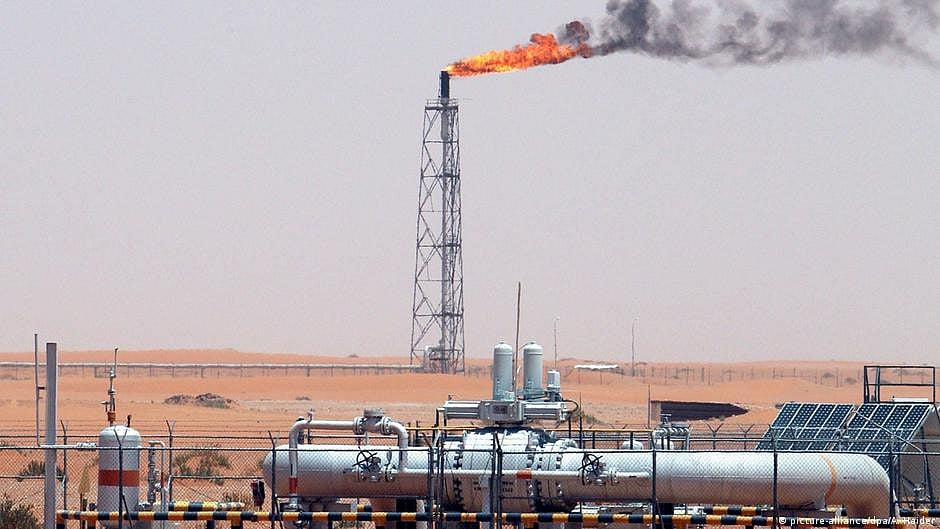
The OPEC suffered a major setback on 28 April after the United Arab Emirates announced it would leave the oil producers’ cartel from 1 May, amid escalating tensions with fellow member Iran and disruptions in the Strait of Hormuz.
The UAE, one of OPEC’s largest producers, said the decision followed a review of its production policy and national economic interests.
The announcement comes after weeks of missile and drone attacks targeting the UAE during the ongoing West Asia conflict.
Iran’s blockade and disruption of shipping through the Strait of Hormuz — a critical route for Gulf oil exports — has also severely affected the UAE’s ability to export crude oil.
The UAE economy depends heavily on energy exports, making continued disruptions a major concern for Abu Dhabi.
UAE cites ‘national interest’
In a statement, the UAE energy ministry said the move was based on the country’s “national interest” and aimed at giving it greater flexibility in responding to changing market conditions.
“We reaffirm our appreciation for the efforts of both OPEC and the OPEC+ alliance and wish them success,” the ministry said.
It added that operating outside OPEC would provide the country with “more flexibility to respond to market dynamics”.
One of OPEC’s biggest producers
The UAE was OPEC’s third-largest oil producer in February after Saudi Arabia and Iraq.
It joined the organisation in 1967, seven years after OPEC was founded, and has since played an influential role in production decisions and policy coordination.
Blow to oil cartel
The UAE’s departure is being viewed as a significant blow to OPEC at a time when the organisation is already grappling with market volatility caused by the Iran conflict and disruptions in global energy supply chains.
Analysts say the move could weaken OPEC’s cohesion and complicate efforts to stabilise oil prices through coordinated production targets.
Hormuz crisis intensifies pressure
The Strait of Hormuz handles roughly one-fifth of global oil trade under normal conditions.
The ongoing conflict and shipping disruptions in the waterway have already pushed global crude prices sharply higher and intensified concerns over energy security.
The Iran conflict has reshaped energy geopolitics across West Asia, with several Gulf states facing economic and security pressures linked to the war.
The UAE’s decision to leave OPEC marks one of the most significant changes within the cartel in recent years and could trigger wider shifts in global oil market alignments.
Join our official telegram channel (@nationalherald) and stay updated with the latest headlines