World
UK faces food shortage fears as drought and heatwave batter farms
Farmers warn of lower crop yields and rising pressure as England records one of its driest summers
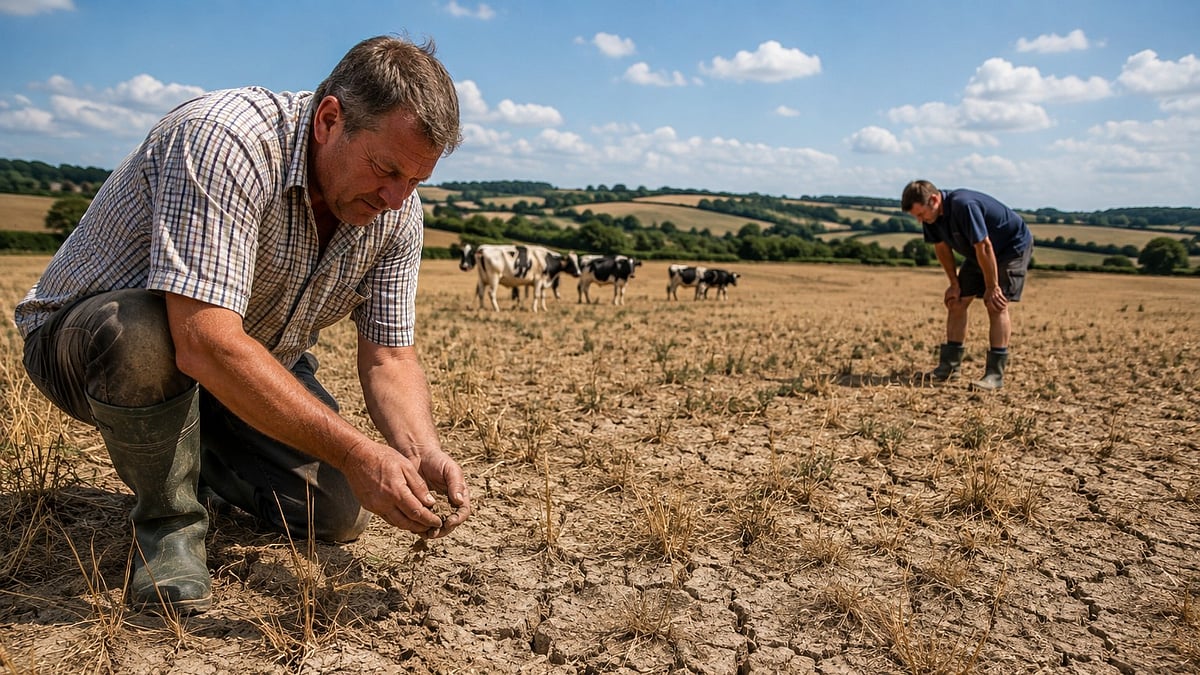
Britain could face shortages of some food products as prolonged drought, record-low rainfall and recurring heatwaves damage crops across England, farming groups have warned, with temperatures expected to remain above 30°C in parts of the country this week.
The National Farmers' Union (NFU) said the combination of severe drought, irrigation restrictions and weather-related crop failures was threatening domestic food production and called on the government to invest in measures to improve long-term resilience.
The UK Health Security Agency (UKHSA) has issued amber and yellow heat-health alerts across much of England, warning that high temperatures could pose health risks, particularly for vulnerable people.
The crisis follows months of extreme weather. Heavy winter flooding disrupted planting, while the subsequent drought and repeated heatwaves have left soils parched and reduced water availability for irrigation.
NFU president Tom Bradshaw said Britain was already witnessing the effects of climate change on food production.
"Those other countries around the world that we currently rely on to produce our food and vegetables, their climates are changing as well. It does feel like there is going be some shortages of products," he said.
Bradshaw urged Prime Minister Keir Starmer's government to provide tax incentives for farmers to build on-farm reservoirs and water storage systems to cope with increasingly frequent droughts.
The Met Office said England received just 8 per cent of its average July rainfall, making it likely to record its driest July since records began.
Around 23 million people across England and Wales are currently affected by hosepipe bans, while the dry conditions have also fuelled wildfires in several parts of the country.
According to the Agriculture and Horticulture Development Board (AHDB), cereals such as wheat and barley have been among the worst affected. The organisation said this year's harvest is the earliest since records began in 2006, with many farms in southern and eastern England harvesting crops two to three weeks earlier than normal.
The AHDB said cereal yields have generally remained below the 10-year average, with some farms reporting significant reductions after successive years of difficult weather and rising production costs.
Farming organisations warned that Britain had experienced three droughts in five years, with climate change making extreme weather increasingly common.
The Country Land and Business Association (CLA) said some wheat crops were only half their normal height, while other fields were not worth harvesting at all.
The organisation urged greater government investment in climate-resilient farming infrastructure, including reservoirs and wildfire prevention measures, warning that for some farmers this year's harvest could be their last if support is not provided.
Public health authorities have advised people to stay hydrated, avoid direct sunlight during the hottest hours of the day and check on elderly relatives and others vulnerable to heat-related illnesses.
Join our official telegram channel (@nationalherald) and stay updated with the latest headlines