World
Uneasy calm in Dubai as some Indian expats head home
Rising tensions in the Gulf trigger departures and threaten remittances that are crucial to India’s economy
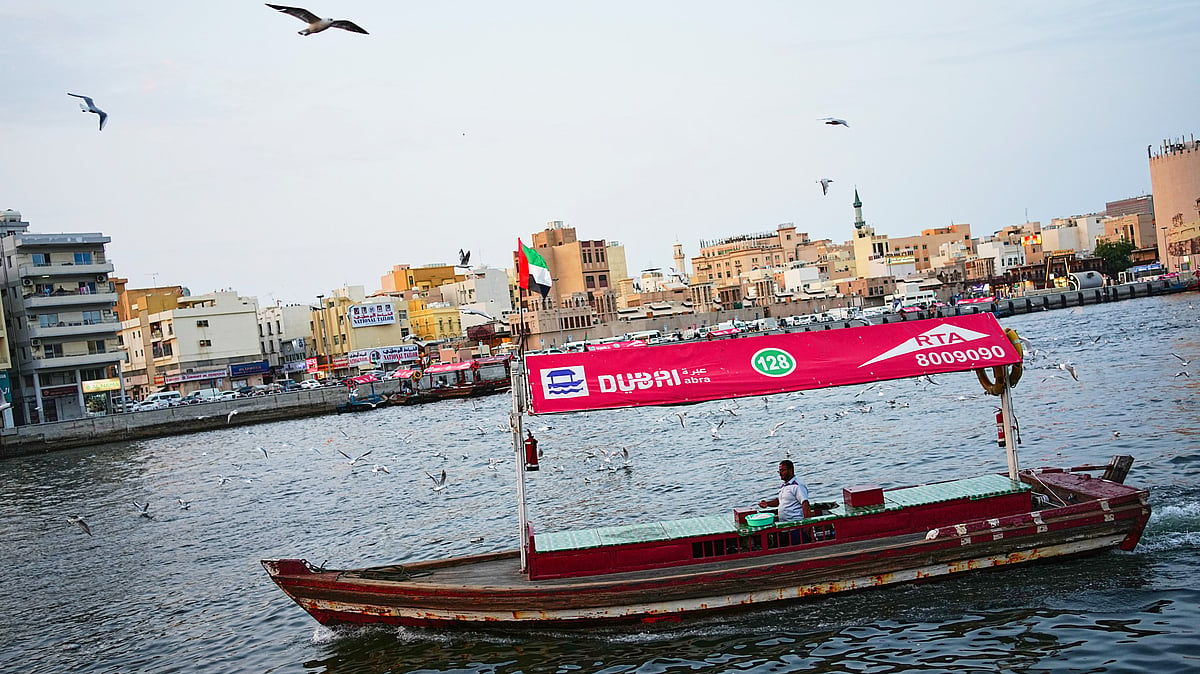
For many Indian expatriates in Dubai, the past few weeks have brought an unfamiliar sense of uncertainty to a city long seen as a symbol of stability in a volatile region. Some families have already begun leaving temporarily as tensions escalate across the Gulf.
In early March, SP (name changed), a 40-year-old homemaker living in Dubai’s Oud Metha area with her technology professional husband and two young children, boarded one of the earliest Emirates flights to Bengaluru.
The family decided to move back to India for the time being after the intensifying conflict in the region shook their confidence in Dubai’s long-standing image as a safe haven. “We thought it would be temporary. We still believe this too shall pass,” she said.
They are not alone. For thousands of Indian expatriates in one of the world’s most glamorous and sought-after destinations, life has felt different since 28 February, when Iran began attacks on Gulf countries hosting US military bases in retaliation for the assassination of its Supreme Leader Ayatollah Ali Khamenei.
Residents say while daily life largely continues as normal, an undercurrent of tension is unmistakable in a city that has long worn its reputation for security and stability like a badge of honour.
“It would be an exaggeration to say that normal life has been disrupted, and the UAE government is doing its best to reassure residents,” SP told National Herald. “But we never imagined even in our dreams that there could be a missile attack near Dubai airport, which is barely two kilometres from our residence.”
“With my husband working from home and the children attending online classes, we thought it was a good opportunity to spend some time in India until things stabilise,” she added.
Many expatriates in Dubai and Abu Dhabi remain cautious about speaking openly about the situation. Several have also criticised what they describe as “alarmist” coverage by sections of the Indian media.
Dubai — the financial hub of the United Arab Emirates, known for its skyline of glass towers, tax-free salaries and high levels of personal security — has long been a magnet for migrants and tourists alike. Some residents believe that any attack on its globally recognisable landmarks would carry enormous symbolic and media impact.
According to official figures released by UAE authorities on Friday, the country’s air defence systems have so far intercepted 285 ballistic missiles, 15 cruise missiles and 1,567 drones. Officials say more than 90 per cent were intercepted or destroyed.
These figures account for more than 60 per cent of the attacks reported across Gulf countries, including the UAE, Qatar, Oman, Kuwait, Bahrain and Saudi Arabia.
While international attention has largely focused on Dubai, there have also been unconfirmed reports of frequent attacks targeting Abu Dhabi, the UAE’s administrative capital.
A social media post showing UAE President Sheikh Mohammed bin Zayed Al Nahyan and Dubai Crown Prince Sheikh Hamdan bin Mohammed bin Rashid Al Maktoum casually walking into a Dubai café went viral recently, widely interpreted as an attempt to reassure residents. Yet unease continues to grow as the crisis enters its third week.
For some expatriates, the situation has also disrupted travel plans. “It’s almost like the Covid days again,” said a 65-year-old consultant who completed an assignment in India and has since been stranded in Mumbai. “Flights have resumed sporadically, but my family doesn’t want me to take any risks until things are completely clear.”
Dubai’s Indian community — one of the largest expatriate populations in the Gulf — has deep roots in the emirate. Many families have lived there for decades, establishing businesses since the UAE’s formation in 1971.
Shyam Bhatia, an octogenarian entrepreneur and well-known cricket enthusiast in Dubai, is among those who have no intention of leaving. “There is no question of moving base,” he said over the phone. “I am grateful for what this country has given me.”
“Life is more or less normal here. Banks, metro services and shopping malls are functioning. We are just being careful,” he said, adding that traffic appears lighter as tourists leave after shorter visits.
At the same time, residents say frequent alerts on mobile phones warning of possible Iranian strikes are adding to anxiety among expatriates. The UAE government has also warned residents against filming or sharing images of sensitive sites, including missile impacts or government buildings.
The restrictions came into focus after a 60-year-old British tourist was detained under cybercrime laws for possessing a video of an Iranian strike on his phone. “British nationals are subject to UAE laws. Violations may lead to fines, imprisonment or deportation,” the British embassy said in a statement on X.
The embassy also reiterated UAE authorities’ warning against photographing or sharing images of incident sites, projectile damage, government buildings or diplomatic missions.
Across the Gulf region, India’s Ministry of External Affairs estimates that between 1 and 7 March, around 52,000 Indian expatriates returned home. Of them, more than 32,000 travelled on Indian airlines, with additional flights expected in the coming days.
The developments have revived memories of the mass evacuations during the 1990–91 Gulf War, when thousands of Indians were airlifted from Kuwait and Iraq. However, that humanitarian crisis predates much of the current generation of Indians now living in the Gulf Cooperation Council (GCC) countries.
Today, the stakes are also economic. Indians in GCC countries account for roughly 35–40 per cent of India’s personal remittances — estimated at about $50 billion annually. Those inflows play a significant role in helping offset India’s current account deficit.
If the conflict drags on, economists warn that remittances from the Gulf could take a noticeable hit.
For now, many expatriates say they have little choice but to wait and hope that the crisis passes quickly — and that Dubai soon regains the calm that made it feel like an oasis in the region.
Join our official telegram channel (@nationalherald) and stay updated with the latest headlines