World
US boards Iran-linked oil tanker in Indian Ocean, Pentagon confirms
Move part of wider maritime enforcement as tensions persist despite ceasefire
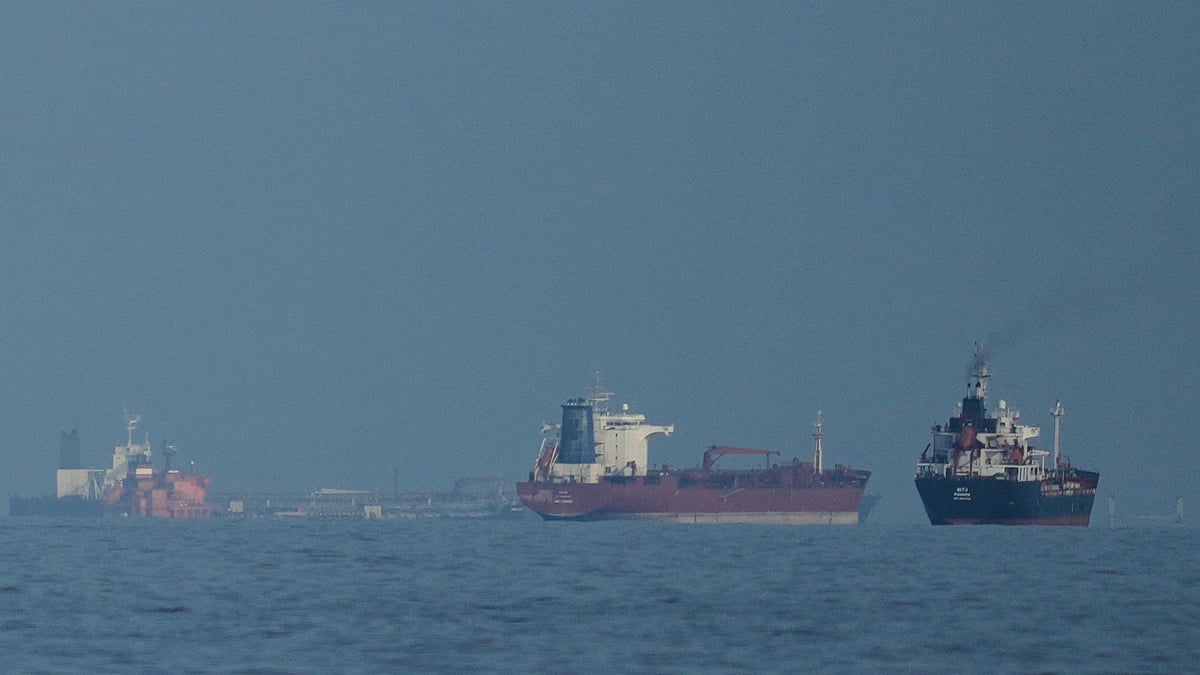
US forces have boarded an oil tanker allegedly linked to Iranian crude smuggling in the Indian Ocean, the Pentagon said on 21 April, signalling an expansion of maritime enforcement actions against vessels associated with Tehran.
The tanker, identified as M/T Tifani, was intercepted in the Bay of Bengal and boarded “without incident” under what the US described as a right-of-visit maritime interdiction operation, according to Pentagon statements.
A US defence official said the vessel was carrying Iranian oil and had previously been sanctioned for smuggling activities.
Decision pending on vessel’s fate
US authorities are expected to decide within the next few days whether to tow the tanker to the United States or hand it over to another country, the official said.
The Pentagon described the vessel as “stateless” despite it reportedly flying a Botswana flag, and reiterated its position that international waters do not provide safe passage for sanctioned ships.
“As we have made clear, we will pursue global maritime enforcement efforts to disrupt illicit networks… anywhere they operate,” the Pentagon said.
Expanded enforcement beyond Gulf region
Senior US military officials indicated that operations targeting Iran-linked vessels would extend beyond traditional areas such as the Strait of Hormuz, including into the Pacific and other regions.
Gen. Dan Caine, chairman of the Joint Chiefs of Staff, said US forces would “actively pursue” vessels providing material support to Iran across different maritime zones.
The action follows a recent interception of another Iran-linked vessel, indicating a broader strategy to curb shipments of oil and other materials linked to Tehran.
Ceasefire tensions and legal questions
The development comes amid an ongoing ceasefire between the US and Iran, with analysts divided on whether such interdictions violate the terms of the truce.
Jason Chuah, a law professor at City University of London, said the situation remains legally ambiguous, with differing interpretations on whether the ceasefire suspends maritime enforcement actions.
Mark Cancian of the Centre for Strategic and International Studies said the absence of a formal agreement leaves room for interpretation on whether the ceasefire has been breached.
Michael O’Hanlon of the Brookings Institution said the US action may not constitute a violation if the ceasefire was limited to halting aerial strikes.
Iran, however, has described the boarding as an act of piracy and a breach of the ceasefire, according to reports.
India angle
The US has intensified efforts to interdict vessels suspected of supporting Iran’s oil trade and broader logistics networks, citing enforcement of sanctions and prevention of material support to Tehran.
Such actions, including boarding and seizure of ships in international waters, are typically justified by the US as part of wartime or sanctions enforcement measures, though their legality remains subject to international law interpretations.
Join our official telegram channel (@nationalherald) and stay updated with the latest headlines