World
US military to screen troops over 30 for testosterone deficiency
Defence Secretary Pete Hegseth says programme aims to improve long-term health and combat readiness; hormone therapy to be voluntary for those with low levels
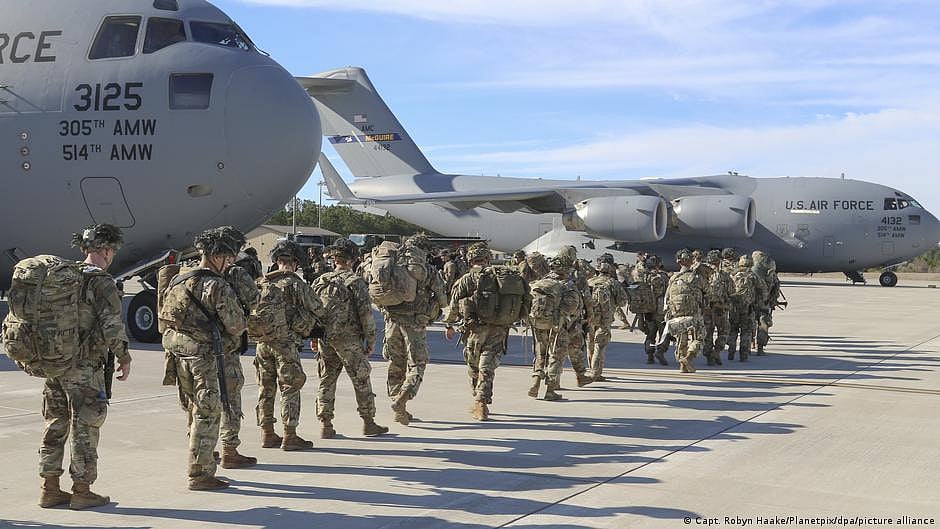
The US military will begin screening all active-duty and reserve personnel aged 30 and above for testosterone deficiency as part of their annual health assessments, Defence Secretary Pete Hegseth has announced.
In a video posted on X, Hegseth said the initiative was intended to ensure troops have "the right testosterone levels to operate at your absolute best". Personnel found to have low testosterone will be offered voluntary hormone replacement therapy, while screening will remain optional for service members under the age of 30.
Hegseth said the programme was designed to improve long-term health and military readiness, stressing that it was "not about artificial enhancement". The US military continues to prohibit the use of testosterone for non-medical performance enhancement.
Pentagon spokesperson Sean Parnell said the policy takes effect immediately for all active-duty and reserve personnel aged 30 and older.
"The protocol will enable the Department to establish a comprehensive baseline and offer targeted testosterone therapy, ensuring that it sustains a healthy, capable, and decisively dominant fighting force," he said.
The Pentagon did not clarify whether the screening programme would apply to female service members or whether hormone therapies related to menopause or perimenopause would be offered.
Democratic Senator Tammy Duckworth, an Iraq War veteran and member of the Senate Armed Services Committee, said hormone testing should be available to both male and female troops.
Congresswoman Chrissy Houlahan, a Democrat and Air Force veteran, criticised the move on X, describing it as Hegseth's "latest culture-war obsession".
Experts cite benefits and risks
Dr Mohit Khera, a professor of urology at Baylor College of Medicine who led a US Food and Drug Administration (FDA) expert panel on testosterone screening and its use in the military last year, said testosterone is an important indicator of overall health.
He said low testosterone can reduce muscle mass and energy levels, potentially affecting combat performance, but cautioned that treatment should only be given to patients with clinically significant symptoms.
According to Khera, testosterone replacement therapy can increase muscle mass, reduce body fat, improve bone density and lower the risk of depression.
However, he warned that testosterone therapy is not suitable for everyone. In younger men, it can cause infertility, while some studies have raised concerns about a potential increase in cardiovascular risk.
The announcement follows broader efforts by the administration of Health Secretary Robert F. Kennedy Jr. to expand access to testosterone therapy.
Kennedy has promoted testosterone treatment as one possible response to what he describes as a national fertility crisis. Last month, the FDA proposed removing some safety and effectiveness language from testosterone replacement therapy labels and easing prescribing restrictions for testosterone products.
Join our official telegram channel (@nationalherald) and stay updated with the latest headlines