World
US Navy chief says Iran war straining maritime forces
Senators raise concerns over prolonged deployments, sailors' welfare and mental health
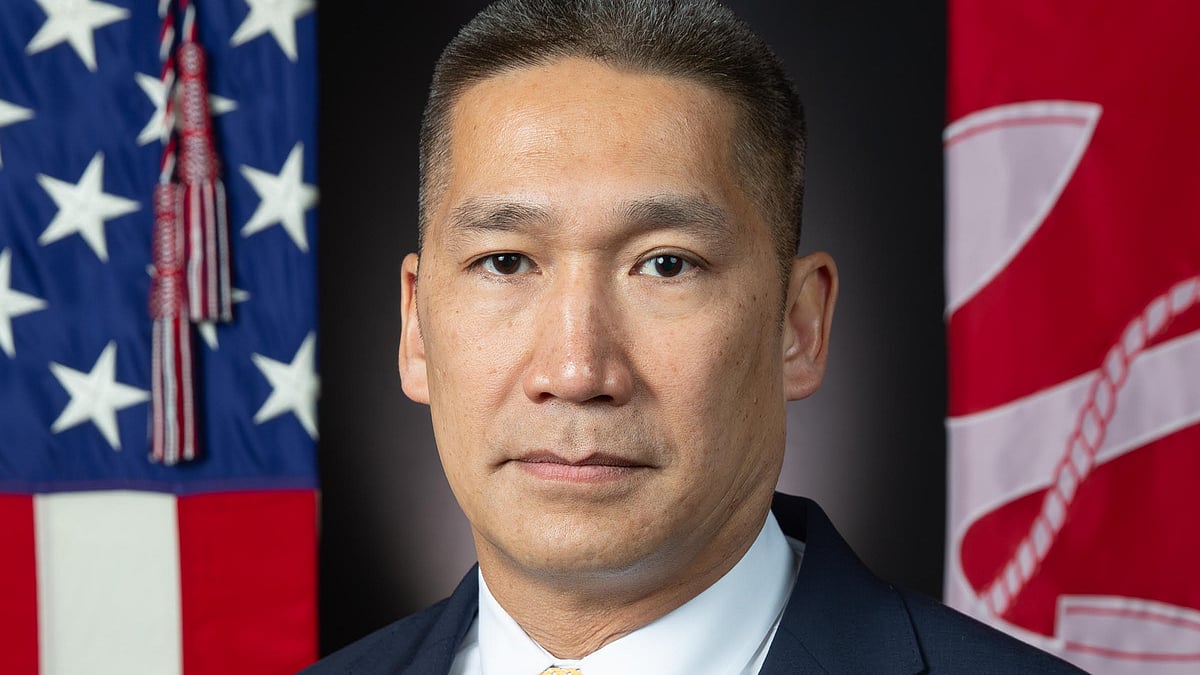
Hung Cao admitted the Iran war is straining US naval resources and readiness
Senators raised concerns over prolonged deployments, sailors' welfare and mental health
Cao defended the campaign but acknowledged supply challenges aboard some ships
Acting US Navy secretary Hung Cao has acknowledged that the ongoing war with Iran is placing significant pressure on American naval resources, as senators raised concerns over depleted weapons stocks, extended deployments and delayed maintenance, warning that the strain could undermine US military readiness in the Indo-Pacific.
Cao made the admission during his confirmation hearing before the Senate Armed Services Committee on Tuesday (local time), where he faced questions from lawmakers about the long-term impact of the conflict on the US Navy's ability to respond to strategic challenges posed by China and North Korea.
"Senator, it is stressing our naval resources," Cao told senator Mazie Hirono, a Democrat from Hawaii, acknowledging the pressure created by the military campaign.
However, he defended the operation, arguing that the combined capabilities of American military forces had demonstrated considerable strength and would give potential adversaries, including China, reason to reconsider any military confrontation with the United States.
Hirono questioned that assessment, pointing out that the deployment of significant American naval assets to the West Asia was diverting ships, personnel and operational attention away from the Indo-Pacific, a region considered central to US security interests.
She said the conflict had already cost tens of billions of dollars and resulted in the depletion of critical munitions, delays in maintenance schedules and prolonged deployments for American sailors.
The senator also expressed concern that extended operations were placing additional pressure on naval personnel and their families, while raising questions about whether the administration's plans to expand the US fleet were being supported by adequate investment in shipbuilding and maintenance infrastructure.
Hirono argued that building additional warships would not address the Navy's long-term challenges unless sufficient resources were allocated to shipyards responsible for maintaining and repairing vessels. Longer deployments, she added, would further increase maintenance requirements once ships returned from operational assignments.
Responding to the concerns, Cao praised shipyard workers in Hawaii and acknowledged the workforce shortages affecting naval maintenance facilities. He said some workers had been temporarily reassigned to other shipyards to help address staffing requirements.
Despite admitting that the conflict was stretching naval resources, Cao maintained that the US military's coordinated operations across naval, ground, air and cyber domains had demonstrated capabilities that could influence China's strategic calculations.
Hirono, however, disputed his assessment, arguing that Beijing continued to remain active in the Indo-Pacific even as Washington directed substantial military resources towards the West Asia.
Cao countered that measuring military strength solely through the number of ships and aircraft overlooked the capabilities and professionalism of American service personnel. He highlighted the responsibilities handled by young enlisted sailors, including operating aircraft carriers and conducting complex aircraft launch operations.
When asked whether he had discussed the war's impact on naval readiness with President Donald Trump and the defence secretary, Cao said he had presented the Navy's requirements and outlined various options, mitigation measures and contingency plans to address the challenges.
The hearing also focused on the welfare of sailors and Marines deployed for extended periods in the West Asia, with senator Mark Kelly, a Democrat from Arizona and former naval aviator, questioning whether the Navy was adequately addressing the physical and psychological pressures faced by personnel.
Kelly cited eight suicide attempts aboard the USS Abraham Lincoln carrier strike group during a deployment that he said lasted 321 days.
He also referred to complaints from military families regarding inadequate food supplies, weight loss among personnel and shortages of basic hygiene products aboard deployed naval vessels.
Cao defended the Navy's handling of food supplies, saying he personally reviewed shipboard conditions and the availability of remaining rations on a daily basis.
However, he identified the destroyer USS Gonzalez as a particular concern, revealing that the vessel had approximately one week's worth of supplies remaining. He said he preferred deployed ships to maintain at least two weeks of provisions.
When pressed on whether any vessels had completely run out of supplies, Cao said that none had.
The exchange became more heated when Kelly referred to a parent's account of a service member losing more than 45 pounds over six months while deployed.
Responding to the complaint, Cao compared the situation to his children opening a refrigerator and saying there was nothing to eat, suggesting that complaints about food did not necessarily indicate an actual shortage.
Kelly rejected the comparison, arguing that such significant weight loss could not simply be dismissed as dissatisfaction with available food choices.
Kelly also challenged Cao's description of the eight suicide attempts as examples of successful intervention by the navy's support system.
Cao pointed to the presence of chaplains, mental health specialists and resilience counsellors aboard naval vessels, saying these resources played an important role in supporting personnel during extended deployments.
While Kelly acknowledged that lives had been saved, he argued that preventing deaths was only one part of the responsibility and that the Navy needed to examine the underlying conditions contributing to the mental health crisis.
The questioning highlighted growing concerns among US lawmakers about the broader consequences of prolonged military operations, including their impact on weapons availability, maintenance schedules, strategic readiness and the well-being of military personnel.
Cao's confirmation hearing comes amid an ongoing debate in Washington over how the United States can sustain its military commitments in the West Asia without weakening its ability to respond to security challenges in the Indo-Pacific, particularly those involving China.
The exchanges also underscored the challenge facing the Navy leadership: maintaining operational commitments abroad while ensuring that ships, equipment and personnel remain prepared for potential future contingencies.
With IANS inputs
Join our official telegram channel (@nationalherald) and stay updated with the latest headlines