World
US says Iran war may end within weeks as Tehran vows to keep fighting
Washington signals campaign is progressing faster than expected while Iran rejects ceasefire and pledges continued resistance
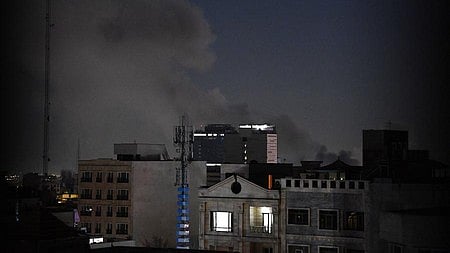
Senior officials in the administration of Donald Trump have suggested that the ongoing war with Iran could conclude within weeks, even as fighting continues across the Middle East and global energy markets remain unsettled.
The conflict, now in its third week, has already disrupted oil shipments through the strategic Strait of Hormuz, one of the world’s most critical energy transit routes. Shipping through the narrow waterway has slowed dramatically amid security concerns, contributing to rising global oil prices.
Speaking on ABC’s This Week, Chris Wright said the administration believed the military campaign was advancing quickly, although he acknowledged that outcomes in wartime are uncertain.
“There’s no guarantees in wars at all,” Wright said during an interview with ABC News presenter Martha Raddatz. However, he added that the conflict was likely to conclude soon. “I think that this conflict will certainly come to an end in the next few weeks, could be sooner than that,” he said.
Kevin Hassett echoed that assessment, suggesting the operation was progressing faster than initially anticipated. Speaking on CBS’s Face the Nation, Hassett said military planners had originally expected the campaign to last four to six weeks.
“The Department of War believed that it would take four to six weeks to complete this mission and that we’re ahead of schedule,” he said.
The conflict has had immediate consequences for global energy markets. Tanker traffic through the Strait of Hormuz — through which roughly a fifth of the world’s oil supply normally passes — has slowed sharply due to attacks and heightened security risks.
US officials say Washington is urging its allies to assist in safeguarding commercial shipping and stabilising the vital maritime route.
Wright acknowledged that the disruption to oil supplies was significant but argued it would be temporary. “Yes, we’re going to have disruption, and we do have disruption,” he said.
According to Hassett, the administration believes the outcome of the conflict will ultimately reduce regional instability and prevent further threats to energy supplies. He said the president would determine when Iran no longer had the capacity to threaten neighbouring states.
Meanwhile, Tehran has firmly rejected suggestions that it is seeking a ceasefire.
In an interview with CBS’s Face the Nation, Iranian Foreign Minister Abbas Araghchi denied that his government had requested negotiations with Washington.
“No, we never asked for a cease-fire, and we have never asked even for negotiation,” Araghchi told the programme’s moderator, Margaret Brennan.
He said Iran would continue its military response for as long as necessary. “We are ready to defend ourselves as long as it takes,” he said.
Araghchi accused Washington of initiating the conflict and described it as a deliberate decision by the US leadership.
“This is a war of choice by President Trump and the United States, and we are going to continue our self-defence,” he said.
The Iranian foreign minister also dismissed claims that the country faced an existential threat from the conflict. “No, it’s not a war of survival. We are stable and strong enough,” he said.
With IANS inputs
Join our official telegram channel (@nationalherald) and stay updated with the latest headlines