Nation
Arunachal's Tawang on alert as authorities monitor potential glacial lake flood threat
District administration issues advisory after scientific assessment flags possible GLOF risk in Mago Chu basin
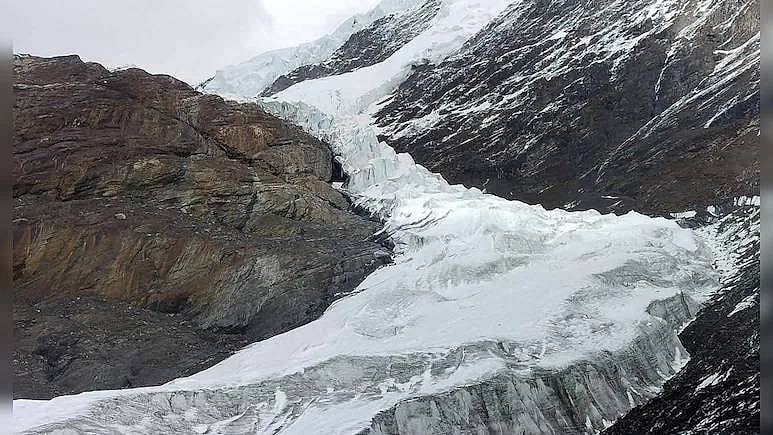
Authorities in Arunachal Pradesh's Tawang district have stepped up preparedness measures following warnings of a potential Glacial Lake Outburst Flood (GLOF) in the Mago Chu basin, amid concerns over rapid glacier retreat and changing climatic conditions in the region.
The Tawang district disaster management department issued an alert after receiving inputs from the Centre for Earth Science and Himalayan Studies (CESHS), which flagged possible risks linked to the Khangri Glacier and nearby glacial lakes, officials said on Monday.
The advisory has been shared with the Indian Army, the ITBP (Indo-Tibetan Border Police) and the BRO (Border Roads Organisation) to ensure coordinated preparedness.
Tawang Deputy Commissioner and District Disaster Management Authority Chairman Namgyal Angmo urged residents to remain vigilant and follow official advisories, while Superintendent of Police Tasi Darang advised people living along the Mago Chu and Tawang Chu river systems to keep emergency supplies ready.
Inspection finds no immediate danger
A recent field assessment led by Thingbu Assistant Commissioner Thutan Wangchu, along with residents of Mago village, inspected the Khangri Glacier, locally known as Neh-Goh Gangri, and the nearby glacial lake Neh-Goh Tso.
The glacier, located at an altitude of more than 17,000 feet on the western edge of the Gorichen range, has experienced noticeable snow and ice loss over the years, according to local residents and officials.
The inspection found that water levels in Neh-Goh Tso, situated at around 15,000 feet, remained well below the moraine dam identified by scientists as a potential risk point.
Officials observed normal water flow through the lake's outlet into the Mago Chu river system.
According to the assessment report, water discharge from the lake appeared greater than inflow from glacial melt, indicating limited accumulation and reducing the likelihood of an immediate outburst.
The outlet channel was also found to be resting on a stable rocky base, making erosion under current conditions unlikely.
The report noted that broad valleys above Merathang, Jethang and Mago could help absorb and dissipate the force of any sudden water surge before it reaches downstream habitations.
However, authorities cautioned that geological and climatic changes could quickly alter the situation.
The report recommended detailed scientific studies on glacier retreat, lake depth, water volume, inflow and outflow patterns, and moraine stability to strengthen future risk assessments.
Climate-linked hazard
GLOFs are among the most serious climate-related hazards in the Himalayan region and occur when natural barriers holding glacial lakes fail, releasing large volumes of water downstream in a short period.
The warning comes amid growing concerns over glacier retreat across the eastern Himalayas due to rising temperatures.
Separately, continuous rainfall in recent days triggered waterlogging near the Inter-State Bus Terminus (ISBT) complex at Lekhi, disrupting traffic and daily activities.
Residents blamed recurring flooding on inadequate drainage infrastructure and urged authorities to address the issue before the monsoon intensifies.
Join our official telegram channel (@nationalherald) and stay updated with the latest headlines