Nation
As LPG deadline looms, Indians wonder where PNG access will come from
Large parts of India still lack functional gas networks even as govt accelerates transition amid West Asia supply shock
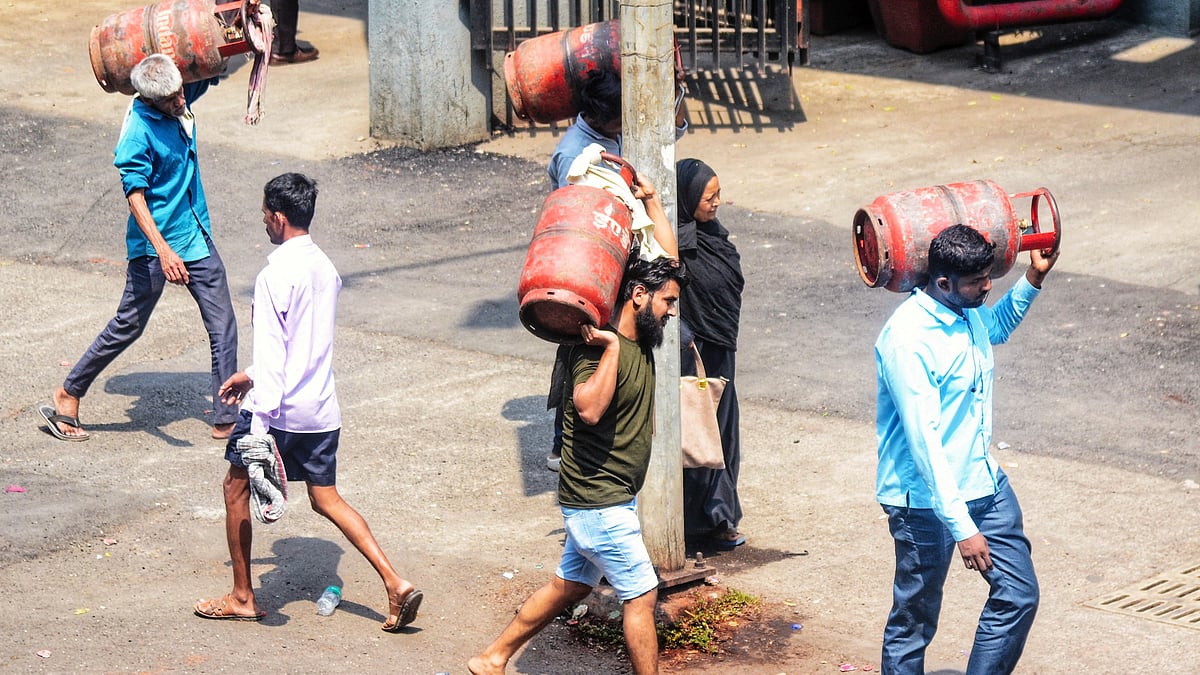
The government’s decision to mandate a shift from LPG cylinders to piped natural gas (PNG) within three months of notification has exposed a significant logistical gap, with vast stretches of the country still lacking functional pipeline connectivity despite rapid expansion targets.
On Tuesday, 24 March, the petroleum and natural gas ministry notified the Natural Gas and Petroleum Products Distribution Order, 2026, under which LPG supply to households will cease three months after consumers are informed that PNG connectivity is available at their address.
The order effectively compresses the transition timeline, requiring city gas distributors, local authorities, housing societies and contractors to complete permissions, civil works and household connections within a narrow window — even as pipeline penetration remains uneven and in many areas incomplete.
The timing of the order comes a day after Prime Minister Narendra Modi, addressing Parliament on the impact of the West Asia conflict on energy supplies, invoked the Covid-19 period as an example of the need for national preparedness and coordinated response to disruption, which many citizens took as a sign of an impending 'energy lockdown'.
While the policy seeks to optimise allocation of LPG amid supply disruptions linked to damage to energy infrastructure in the Gulf region and risks to shipping through the Strait of Hormuz, the underlying infrastructure required for a rapid household-level fuel transition remains far from universal.
According to several estimates, India has more than 32 crore LPG connections, compared with roughly 1.4–1.5 crore domestic PNG connections, indicating that the overwhelming majority of households remain dependent on cylinders. Even in urban areas where pipelines have been laid, utilisation remains uneven owing to delays in commissioning last-mile connections and technical constraints within older buildings.
Government projections illustrate the scale of expansion still required. The Petroleum and Natural Gas Regulatory Board has set a target of 12.63 crore PNG connections by 2034, implying that current coverage represents only a fraction of the intended network footprint.
Geographical coverage also masks uneven depth of infrastructure. Although city gas distribution licences now extend across most districts, physical connectivity to individual homes remains limited outside major urban clusters. In several states, PNG users account for only a small share of total cooking fuel consumers, reflecting gaps between authorised coverage and actual operational supply.
The order attempts to compress rollout timelines by mandating faster approvals. Public authorities must grant right-of-way permissions within prescribed limits, failing which approvals will be deemed granted. Housing societies must provide access permissions within three working days, while last-mile PNG connectivity is to be provided within 48 hours once clearances are secured.
Designated officers have been given quasi-judicial powers to resolve disputes over land access for pipelines, signalling an effort to reduce administrative bottlenecks that have historically slowed city gas expansion.
However, the logistical challenge lies in synchronising multiple processes within the three-month compliance window specified in the order. Retrofitting pipelines in dense urban neighbourhoods, obtaining consent from resident associations, ensuring safety clearances and physically installing internal piping networks often takes significantly longer than administrative approval timelines alone.
The order provides for continuation of LPG supply where PNG connectivity is deemed “technically infeasible”, subject to issuance of a no-objection certificate by the authorised entity. Such exemptions may apply in low-density habitations, peri-urban areas, or buildings where structural constraints complicate installation of internal pipelines.
The policy’s design reflects an attempt to reallocate limited LPG supply away from areas with pipeline access toward regions where no such infrastructure exists. However, the distribution of gas networks remains highly uneven, with large parts of eastern and north-eastern India, hill states and rural districts still lacking adequate pipeline depth.
India’s operational natural gas pipeline network extends over tens of thousands of kilometres but remains concentrated along key industrial and urban corridors, leaving significant gaps in household-level access.
The abrupt compliance timeline built into the order means that preparedness will depend not only on policy intent but on the ability of local infrastructure ecosystems to rapidly scale last-mile connectivity — an area where progress has historically lagged behind network authorisations.
In effect, the success of the LPG-to-PNG transition may hinge less on consumer willingness and more on whether pipeline systems are sufficiently mature to absorb a sudden surge in household demand within a three-month window.
With PTI inputs
Join our official telegram channel (@nationalherald) and stay updated with the latest headlines