Nation
Budget omits fresh funds for Chabahar Port, fuels geopolitical uncertainty
India’s long-term commitment to the strategically critical Chabahar Port remains unclear as pressure of US sanctions overshadows budgetary support
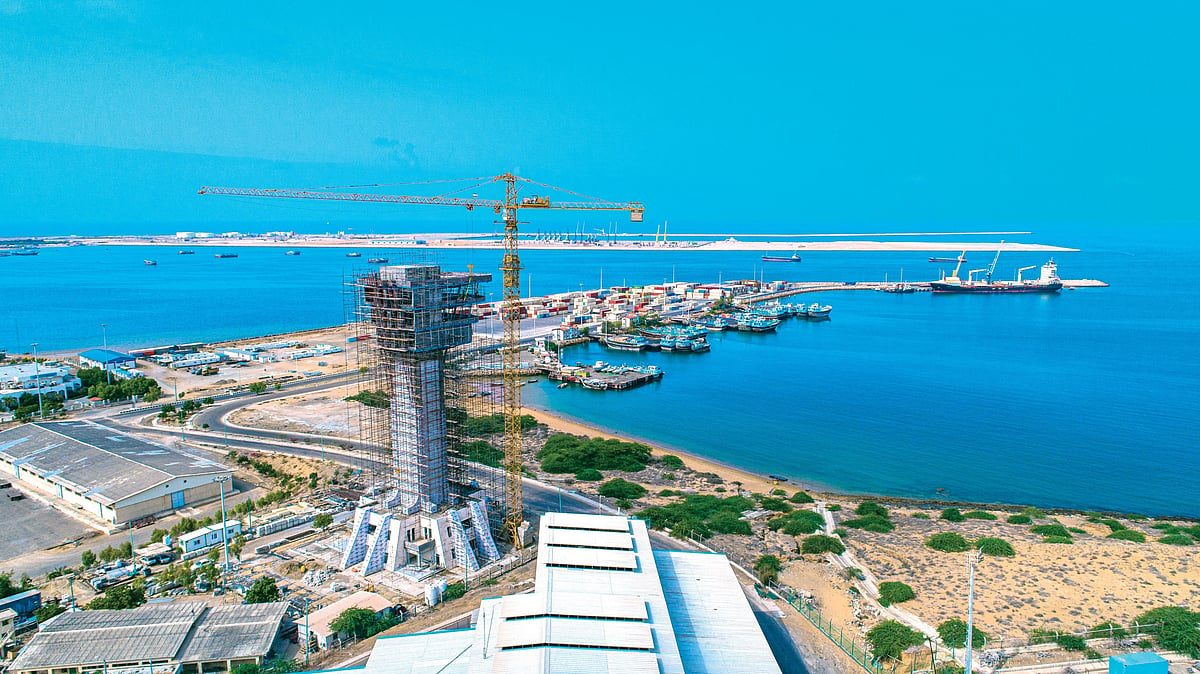
The absence of any fresh budgetary provision for the strategically vital Chabahar Port project in the Union Budget 2026-27 has raised questions about India’s long-term commitment to one of its most important overseas infrastructure investments—and whether geopolitical pressures are beginning to outweigh strategic intent.
For over a decade, India has projected Chabahar, located on Iran’s southeastern coast, as a counterweight to China-backed Gwadar Port in Pakistan and as a gateway to Afghanistan and Central Asia, bypassing Pakistan altogether. In earlier years, New Delhi consistently backed this strategic vision with financial support.
Budget documents show that expenditure on Chabahar has fluctuated but remained significant in recent years. Actual spending in 2024-25 stood at ₹400 crore. While the Budget estimates for 2025-26 initially pegged the allocation at a modest ₹100 crore, this was sharply revised upwards to ₹400 crore during the course of the financial year, signalling renewed commitment during implementation.
However, in a notable departure, the estimates for 2026-27 carry no specific allocation for the Chabahar Port project. The port is mentioned only under the Ministry of External Affairs’ heads of “Aid to Countries” and “Grants and Loans to Foreign Governments”, without a dedicated financial provision.
This omission has inevitably revived speculation about the impact of U.S. policy towards Iran. Washington’s “maximum pressure” strategy, aimed at economically isolating Tehran, has long cast a shadow over Chabahar. While the U.S. initially acknowledged the port’s strategic relevance for India and even granted limited exemptions from sanctions, these waivers have been periodically threatened or revoked, creating uncertainty for long-term investment.
For India, the dilemma is strategic as well as diplomatic. Chabahar is not merely a commercial port but a geopolitical asset central to India’s regional outreach. The lack of a clear budgetary commitment this year may suggest caution—whether temporary or structural—in navigating U.S. pressure, Iran ties and India’s own strategic ambitions.
Join our official telegram channel (@nationalherald) and stay updated with the latest headlines