Nation
Census portal drops 287-names in ‘Other religion’ list after media reports
The list included names such as ISKCON, Ramakrishna Paramahansa, Sarna and Tantric; concerns have also been raised over the collection of personal and identity-related information.
Census portal listed 287 names under the ‘Other religion’ category.
Options included ISKCON, Sarna, Tantric, Yogi, Shia and Sunni.
The dropdown menu was removed following media reports.
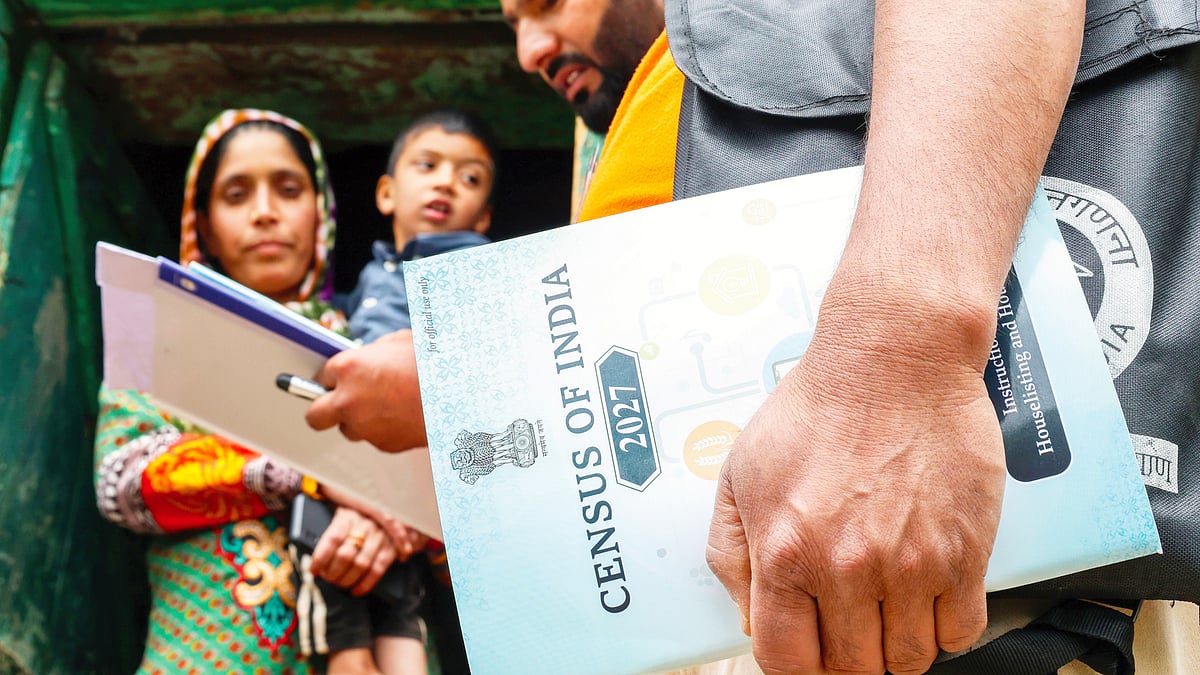
The self-enumeration process for Census 2027 began on Monday in non-snowbound areas of Uttar Pradesh, Punjab, Goa and Uttarakhand. The exercise has come under scrutiny after the census portal reportedly displayed a list of 287 names under the ‘Other religion’ category, including several religious denominations, sects and spiritual traditions. The dropdown menu was removed following media reports.
According to a report by The Hindu, the list was visible on the self-enumeration portal when it opened on 16 November for the four states. It included names such as ISKCON, Ramakrishna Paramahansa, Sanatan, Shri Ram, Shri Krishna, Valmiki, Ramdev, Bishnoi, Sarna, Tantric, Yogi, Shia, Sunni, Methodist and Pentecostal.
Other entries included Khalsa, Tirupati Balaji, Gorakhnath, Basaveshwara, Baldev, Devi Maa and Dev Samaj.
The options were reportedly removed after the Union Home Ministry was approached for clarification. The religion section now has seven categories, as in previous censuses: Hindu, Muslim, Christian, Sikh, Buddhist, Jain and ‘Other’.
An official from the Office of the Registrar General and Census Commissioner told The Hindu that, apart from the six major religions, the ‘Other’ category allowed citizens to enter any religion of their choice, as had been the practice in previous censuses. The official said it would be incorrect to suggest that the listed terms had been presented as separate religions.
Another government official told the newspaper that the list had been prepared as a predictive text entry feature. The aim was to help record names accurately and avoid spelling variations when citizens selected a religion other than the six major categories.
The official cited the example of an ISKCON follower, saying the predictive text list would help ensure that the entry was recorded without spelling errors. However, the official said an inquiry was under way into how these options appeared in the dropdown menu.
A retired census official told The Hindu that the presence of the list was surprising because there was no comparable data from previous censuses. According to the official, the entries appeared to represent different sects and denominations, which had been listed separately only after the completion of the 2001 and 2011 census exercises.
Before the dropdown menu was removed, a government official involved in training census workers in Uttar Pradesh reportedly said that citizens choosing ‘Other’ could select from a list of more than 280 names. If their religion was not listed, they could enter it themselves.
The issue is significant amid longstanding demands by tribal communities in states such as Jharkhand, Chhattisgarh, Odisha and West Bengal for a separate religious identity in the census. Several tribal organisations have argued that their beliefs and traditions should not be classified under Hinduism.
Questions over collection of personal data
The religion-related controversy comes amid wider concerns over the personal information being sought in Census 2027. This time, the government has prescribed 40 questions for the exercise, compared with 29 in the 2011 Census.
A notification issued on 14 August 2026 under Section 8(1) of the Census Act, 1948, lists the questions to be asked during the house-to-house enumeration. While most concern conventional details such as age, religion, language, education, occupation and migration, the new questionnaire also seeks additional personal information.
Questions 35 to 40 seek details such as the number of bank accounts, mobile phone number, Aadhaar number, Electors Photo Identity Card (EPIC) number, passport number and driving licence number. Question 34 also asks where an individual received their Covid-19 vaccination.
According to Down To Earth, no Indian census between 1872 and 2011 had sought document identification numbers from citizens.
The collection of these details has raised concerns that census records could potentially be linked with government and private databases, including Aadhaar, electoral rolls, passport records, mobile connections and banking systems. Critics have questioned whether the exercise could move beyond collecting anonymous population data towards creating detailed profiles of individuals.
Census 2027 is the first Indian census to be conducted digitally, with citizens also being given the option of completing the self-enumeration process online. The government has maintained that all information collected under the Census Act, 1948, will remain confidential and will be used only for official statistical purposes, research and development planning.
However, questions remain over how the data will be stored and secured. Concerns have also been raised about the security of the software being used for the exercise.
Participation in the census is mandatory. This has added to concerns over the extent to which citizens can exercise control over the disclosure of personal, financial and family-related information.