Nation
Hasty SIR in Bengal may jeopardise democratic participation: Amartya Sen
Nobel laureate flags lack of time and documentation hurdles ahead of Assembly polls, warns of exclusion of underprivileged voters
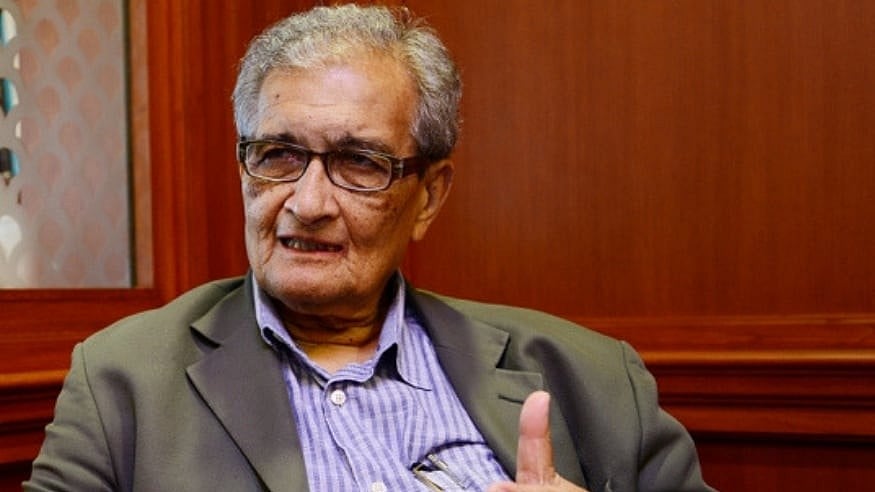
Nobel laureate Amartya Sen has expressed serious concern over the SIR (Special Intensive Revision) of electoral rolls being carried out in West Bengal, warning that the exercise is being conducted in “undue haste” and could undermine democratic participation, especially with Assembly elections due in a few months.
Speaking to PTI in an interview from Boston, the 92-year-old economist underlined that while revision of electoral rolls can strengthen democracy if done carefully, the current process in West Bengal does not meet that standard.
“A thorough review of electoral rolls done carefully with adequate time can be a good democratic procedure, but this is not what is happening in West Bengal at this time,” Sen said.
He cautioned that the speed at which the SIR is being implemented is denying eligible voters sufficient opportunity to submit documents required to establish their right to vote. “The SIR is being done in a hurry, with inadequate time for people with voting rights to have sufficient opportunity to submit documents to vindicate their entitlement to vote in the coming Assembly elections. This is both unjust to the electorate and unfair to Indian democracy,” he said.
Drawing on his personal experience during the revision process, Sen said even officials of the Election Commission of India appeared constrained by time pressures. He recalled being questioned about discrepancies related to his age and that of his deceased mother, Amita Sen, despite both having long-standing entries in official electoral records.
“When they questioned my right to vote from my home constituency in Santiniketan – from where I have voted earlier – they questioned me about my deceased mother’s age at my date of birth, even though her details, like mine, were already in their own official records,” he said.
Sen pointed out that documentation requirements pose particular challenges for many Indians born in rural areas. “Like many Indian citizens born in rural India, I do not have a birth certificate, and my eligibility to vote required further paperwork to be presented on my behalf,” he said.
Although his own case was eventually resolved with help from friends, Sen said his experience made him worry about those without similar support. “I worried about others who do not have so many loyal friends. My friends helped me to get through the rigid gates of the formidable EC,” he remarked.
Asked whether the SIR could politically benefit any party, Sen said he could not make a definitive assessment. “I am not an election expert,” he said, adding that regardless of who benefits, democratic integrity must remain paramount. “The EC should not insist on a faulty arrangement and force our proud democracy to commit an unnecessary error.”
On who is most vulnerable to exclusion, Sen said the poor and underprivileged are at greatest risk. “The documents needed are often difficult to obtain for the underdogs of society. This class bias will tend to work against the indigent,” he warned.
Join our official telegram channel (@nationalherald) and stay updated with the latest headlines