Nation
India denies payments to Iran for Hormuz passage after ships fired upon
Govt calls crypto scam reports ‘fake news’; two Indian vessels forced to turn back amid tensions
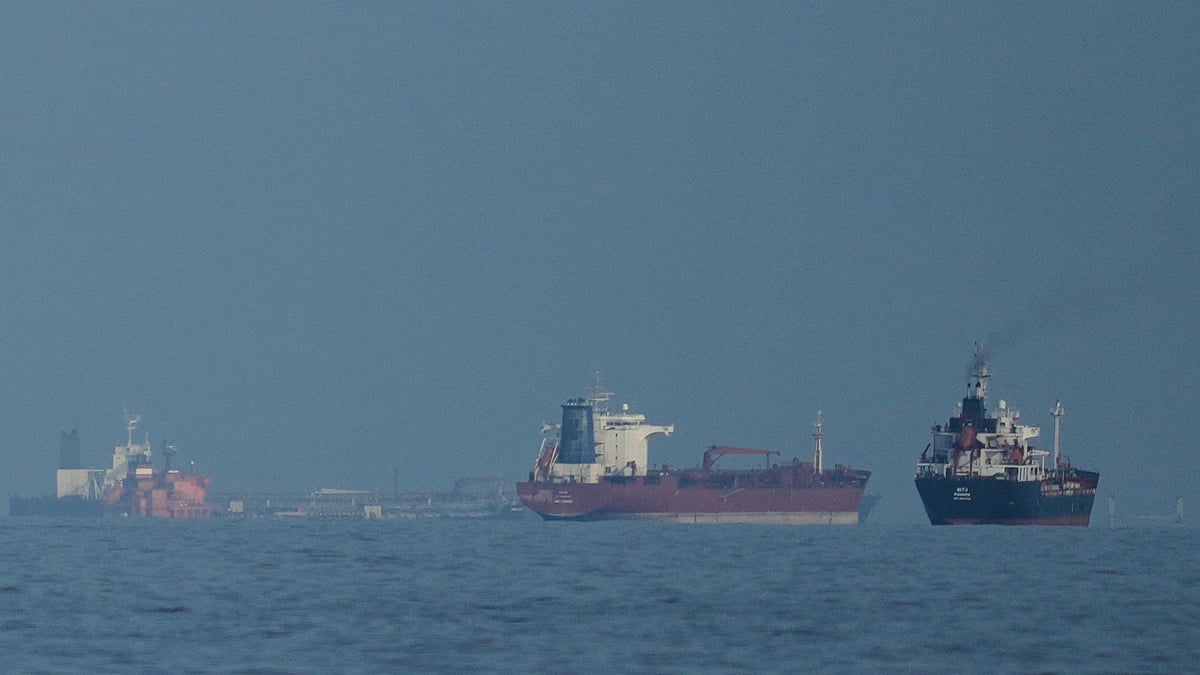
India on 22 April denied reports that it had made payments — in cash or cryptocurrency — to Iran to secure safe passage for its vessels through the Strait of Hormuz, following incidents of firing on Indian ships earlier this month.
The clarification came after two India-flagged vessels were forced to turn back on 18 April when Iranian forces opened fire as they attempted to transit the strategic waterway, officials said.
At a media briefing, Mukesh Mangal, Additional Secretary in the Ministry of Ports, Shipping and Waterways, termed reports of payments as “fake news”.
“There is no confirmation that any of our vessels has paid money to any authority for this purpose,” he said.
Crypto scam claims rejected
The denial follows reports suggesting that some shipowners were being targeted by scammers offering safe passage through the Strait of Hormuz in exchange for cryptocurrency.
One such report linked the incident involving the tanker Sanmar Herald to a suspected crypto scam.
Mangal said the government had verified the matter with the vessel’s owner, who denied any such payment.
“We spoke with the owner of the vessel… and he confirmed that it is fake news and no such incident had happened,” he said.
Chennai-based Sanmar Shipping also issued a statement rejecting claims that its vessel had fallen victim to a cryptocurrency scam, calling such reports “completely false”.
Ships fired upon, forced to retreat
Officials confirmed that two Indian vessels were fired upon on 18 April, forcing them to abort their passage through the Strait of Hormuz.
An audio clip circulating on social media purportedly captures the captain of Sanmar Herald requesting Iranian forces to cease firing despite having prior clearance to pass.
“This is motor vessel Sanmar Herald… you gave me clearance… you are firing now. Let me turn back,” the captain is heard saying in the recording.
The government said it is coordinating closely with relevant agencies and assessing conditions before allowing stranded vessels to attempt transit.
Disruptions in key global energy route
The Strait of Hormuz, a narrow passage connecting the Persian Gulf to global shipping lanes, handles around 20 per cent of the world’s oil and liquefied natural gas flows.
Since the escalation of conflict in West Asia on 28 February, movement through the strait has been severely disrupted, with several vessels stranded in the Persian Gulf.
Shipping monitor TankerTrackers.com reported that at least two India-flagged ships, including a supertanker carrying Iraqi crude, were affected in the April 18 incident.
Global impact and India angle
The disruption in maritime traffic has contributed to rising energy prices and supply concerns globally, with some countries facing fuel shortages.
For India, a major importer of crude oil, continued instability in the Strait of Hormuz poses risks to energy security and supply chains.
Officials said the government remains in close coordination with the Ministry of External Affairs and maritime agencies to ensure safe navigation for Indian vessels.
Tensions in the Strait of Hormuz have intensified amid the ongoing US-Iran conflict, with Iran tightening control over shipping routes and the US enforcing maritime restrictions.
The developments have raised concerns over the safety of commercial shipping and the broader implications for global trade and energy markets.
Join our official telegram channel (@nationalherald) and stay updated with the latest headlines