Nation
Legal scrutiny or social advice? SC says 'don't trust anyone before marriage'
Observations during bail hearing trigger debate on courts sounding prescriptive despite focus on consent and law
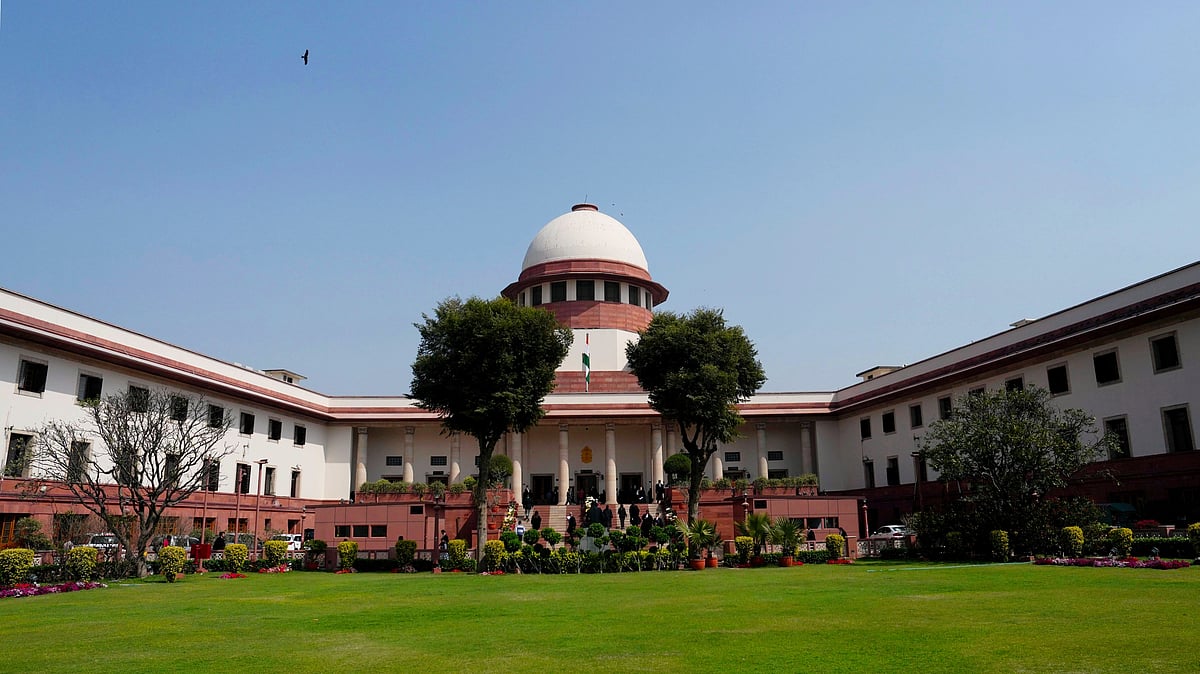
Observations by the Supreme Court during a bail hearing in an alleged false promise of marriage case have sparked debate over whether judicial remarks risk sounding like moral guidance rather than strictly legal reasoning.
A bench of Justices B.V. Nagarathna and Ujjal Bhuyan, while hearing the plea, advised caution in pre-marital physical relationships, remarking that a boy and a girl before marriage were “total strangers” and should be careful. The court’s comments, though made in the course of assessing consent and the nature of the relationship, reflected a tone that some legal observers may interpret as moral cautioning rather than purely legal analysis.
“It’s consensual… maybe we are old-fashioned but you must be very careful, nobody should believe anybody before marriage,” the bench observed, according to proceedings.
The case itself concerns serious allegations — including rape on the pretext of marriage and claims of coercion — and remains under judicial consideration. However, the emphasis on personal choices and conduct before marriage has drawn attention because courts traditionally confine themselves to determining legality, consent and criminal intent rather than prescribing social norms.
During the hearing, Justice B.V. Nagarathna questioned the woman’s decision to travel to Dubai with the accused and indicated that the matter appeared to arise from a consensual relationship, while suggesting mediation and possible settlement between the parties. The bench posted the matter for further hearing on Wednesday.
Legal analysts often note that Indian courts walk a delicate line in such cases: while assessing whether consent was vitiated by a false promise of marriage, judges sometimes make broader social observations. Critics argue that such remarks can risk sounding like “moral policing”, even when the court’s legal intent is to distinguish between consensual relationships and criminal wrongdoing. Supporters, however, say judges are entitled to express cautionary views while evaluating facts in sensitive disputes.
According to the complaint, the woman alleged that the accused established physical relations with her on multiple occasions after meeting on a matrimonial website in 2022, including during a trip to Dubai, and recorded intimate videos without consent. She also claimed that he later married another woman in Punjab in January 2024.
The Delhi High Court and the trial court had earlier rejected the accused’s bail plea, observing that the allegations prima facie indicated the promise of marriage may have been false from the outset. The accused has challenged that order before the Supreme Court.
As the matter proceeds, the episode highlights a recurring tension in Indian courtrooms — the fine line between judicial commentary and perceived social sermonising — even as the legal questions remain centred on consent, evidence and due process.
The hearing also comes against the backdrop of an ongoing national debate on sexual autonomy and legal protections. Marital rape is currently not recognised as a criminal offence under Indian law, except in limited circumstances such as when the wife is below a specified age or during judicial separation.
Petitions challenging this exception remain pending before courts, and the issue has generated sharp legal and political disagreement, with activists arguing for criminalisation while the Union government has previously raised concerns about potential misuse and the impact on the institution of marriage.
Join our official telegram channel (@nationalherald) and stay updated with the latest headlines