Nation
Middle East crisis disrupts travel as 281 Indian flights are cancelled
Civil aviation ministry activates 24/7 passenger assistance as airlines suspend routes and adjust operations across West Asia
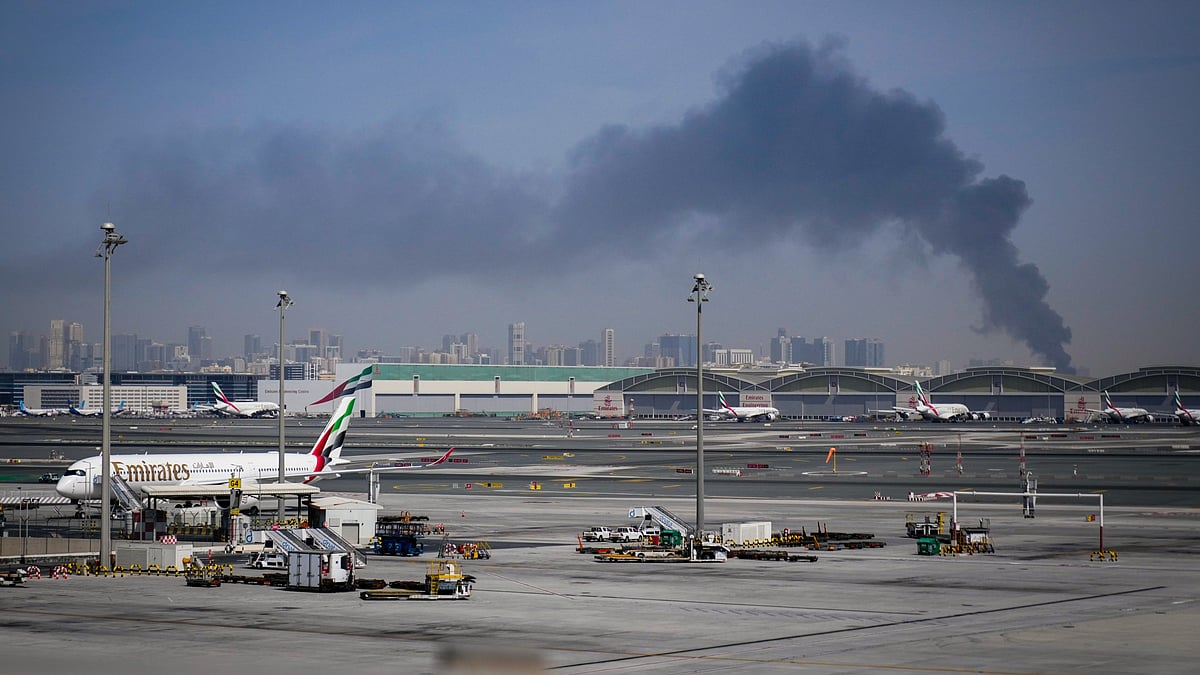
India’s aviation sector faced major disruption on Thursday after escalating conflict in the Middle East led to widespread airspace closures, forcing domestic airlines to cancel 281 flights.
The cancellations came as tensions in the region intensified for a fourth consecutive day following US and Israeli strikes on Iran. The attacks reportedly killed several senior figures, including Iran’s Supreme Leader, Ayatollah Ali Khamenei, triggering retaliatory strikes by Tehran on American bases and Israeli targets.
The rapidly evolving security situation prompted multiple West Asian countries to shut their airspace, compelling Indian carriers to suspend or reroute several services. According to the Ministry of Civil Aviation (MoCA), the disruptions affected both domestic and international operations.
At major Indian airports such as Mumbai, Delhi and Bengaluru, at least 170 international flights were cancelled on Thursday alone, leaving thousands of passengers stranded or facing delays.
The civil aviation ministry confirmed the number of cancellations on social media and advised travellers to verify their flight status through official airline channels before heading to airports.
To manage the surge in passenger queries and complaints, the ministry activated a 24-hour Passenger Assistance Control Room (PACR). Officials said 1,461 passenger grievances had already been addressed through the AirSewa platform, social media channels and helpline services in coordination with airlines.
Passengers requiring assistance can contact the helpline numbers 011-24604283 or 011-24632987 for real-time support.
Authorities have also introduced special measures for travellers stranded in Gulf countries, including monitoring ticket prices to prevent airlines or agents from charging excessive fares during the disruption.
The ministry said it is working closely with airlines, airport operators, regulators and the Ministry of External Affairs to ensure passenger safety, restore services and minimise inconvenience.
Airlines have begun cautiously resuming limited services where airspace conditions permit. Air India and Air India Express restarted flights to Jeddah and Muscat after Saudi Arabia and Oman declared their airspace safe for operations.
Both carriers are also planning additional ad-hoc services to destinations including Dubai, Muscat and Ras Al Khaimah through Friday, subject to slot availability.
Other airlines have similarly adjusted their schedules. IndiGo said it plans to operate 17 flights to eight Middle Eastern destinations on Friday, while SpiceJet introduced 13 special flights on Thursday.
Akasa Air also operated a special Mumbai–Jeddah round trip to help accommodate affected passengers.
However, flights to several destinations, including Abu Dhabi, Doha, Riyadh and Kuwait, remain suspended until at least 7 March. The Air India Group has also extended the suspension of its broader West Asia services until 10 March.
Major international airlines operating from regional hubs, including Emirates, Qatar Airways and Etihad Airways, have also been affected as the conflict disrupts global travel connections.
The crisis could have a significant financial impact on Indian carriers, according to credit rating agency S&P Global Ratings.
The agency warned that Indian airlines are particularly vulnerable because of their strong operational links with the Middle East, which serves as a key transit hub connecting Europe, Asia and other global destinations.
With a large share of international routes passing through the region, prolonged instability and airspace restrictions could place additional pressure on airline operations and revenues.
With PTI inputs
Join our official telegram channel (@nationalherald) and stay updated with the latest headlines