Nation
Punjab: BJP, Akali Dal revive alliance amid changing political realities
In 1996, the BJP needed the Akalis to enter Punjab. They parted ways in 2020. In 2027, the Akalis need the BJP to remain relevant in this border state
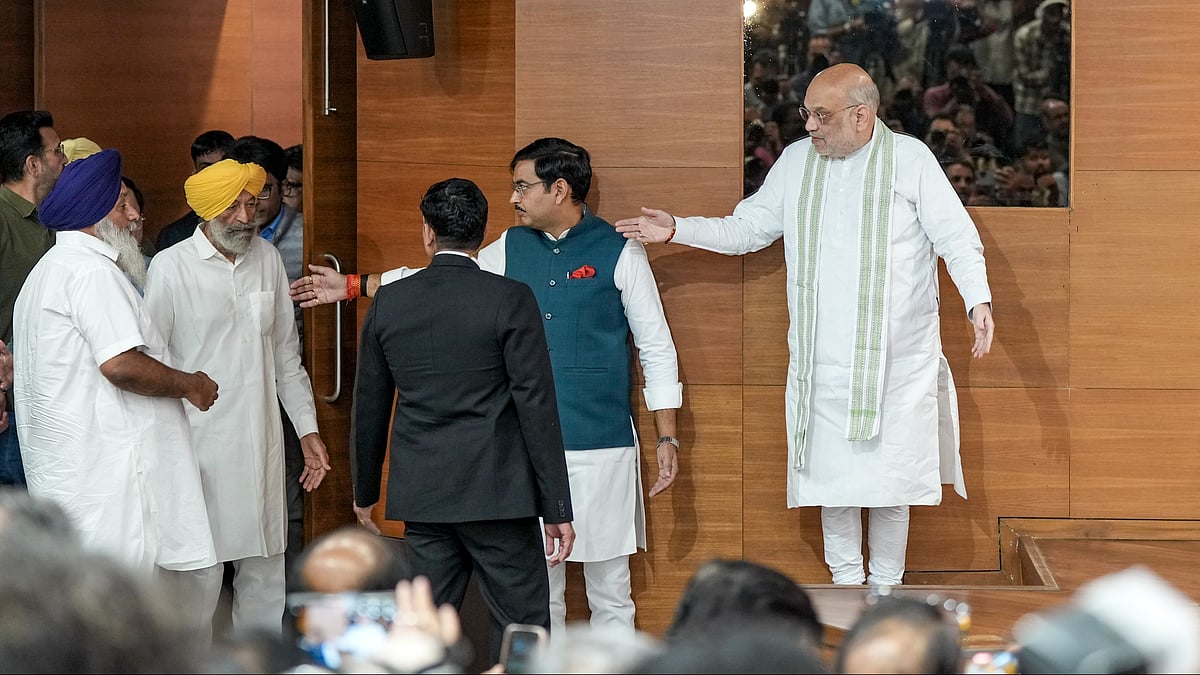
Six years after breaking from the NDA over the contentious farm laws, Shiromani Akali Dal announced its ‘ghar wapsi’ and electoral alliance with BJP in Punjab
In the last assembly election SAD won three seats from and BJP two in the 117-member Assembly. In the 2024 Lok Sabha elections, the two parties could win a solitary seat from Punjab
In recent months and weeks, the BJP has inducted leaders from SAD, AAP and the Congress to strengthen itself in the state
Fresh from victories in Bihar and West Bengal, the BJP is eyeing Punjab, one of the last big states to have eluded it. It was on 19 November 2021, when Prime Minister Narendra Modi had announced the repeal of the three farm laws, over which the Shiromani Akali Dal had walked out of the NDA in 2020. Six years later the BJP and SAD, on Tuesday 24 November, announced the revival of their alliance in Punjab at the BJP headquarters in New Delhi, coinciding with the birth anniversary of Guru Nanak Dev, the first Sikh Guru.
The two parties were in alliance from November 1996 till September 2020 with the BJP as the junior partner, contesting 23 of the 117 Assembly seats in Punjab, while the SAD contested the remaining 94. Both parties together were in government following elections in 1997, 2007 and 2012 in Punjab. While details over seat-sharing this time and the chief ministerial face of the alliance are eagerly awaited, the past holds some lessons.
The TDP walked out of the NDA in 2018, returning to its fold in 2024 and going on to sweep Andhra Pradesh. The Shiv Sena began as the senior alliance partner in Maharashtra and ended up split, swallowed and subordinated. The BJP’s embrace can often be warm but as allies have discovered, it can also be suffocating. In 1996, the BJP needed the Akalis to enter Punjab. In 2027, the Akalis need the BJP to remain relevant in Punjab. That is the real story of this alliance.
The Akalis, who once held 75 seats in the Punjab assembly, were reduced to 15 in 2017 and just 3 in 2022. In the 2024 Lok Sabha elections it won only Bathinda and polled 13.42 per cent.
The BJP, freed from the Akali leash, inducted several Akalis like Manjinder Sirsa, Amarpal Boni and Ravikaran Kahlon. It’s vote share jumped from about 6.6 per cent in 2022 to 18.56 per cent in 2024, and it led in 23 Assembly segments. Contesting separately, both parties polled around 32 per cent of the votes and got one seat between themselves in 2024.
The by-elections and local body polls since then have thrown up similar results. In the Tarn Taran bypoll of November 2025, a seat in the Panthic heartland, AAP polled 42,649 votes, the Akalis 30,558 and the BJP a mere 6,239, losing its deposit. In the zila parishad and panchayat samiti elections a month later, AAP won 1,531 samiti zones, the Congress 612, the Akalis 445 and the BJP just 73.
The BJP has failed to strike roots in the villages due to a limited social base, lack of a credible leadership and a thin organisational base. The Akalis, on the other hand, have virtually vanished from the cities, where the Hindu voter has drifted to the BJP, the Congress and AAP.
The old formula of 94 seats for the Akalis and 23 for the BJP is dead. Reports of the BJP’s demand have swung between 40 and 55 seats. The party argues that its booth-level machinery entitles it to near parity. BJP workers are demoralised and old-timers suspect they will be sidelined. Sikh youth are simply not connecting with the Akali Dal (Badal). Sukhbir’s Vibe Punjab Di outreach to Gen Z may be trendy, but a generation facing youth unemployment of 22.3 per cent, against 15.9 per cent nationally, wants jobs, not vibes.
The Gen Z agitation of the Cockroach Janta Party over the NEET paper leaks, resignation of Union Education Minister Dharmendra Pradhan and sustained campaign over vote chori by the Opposition have also harmed the BJP. In Punjab, the BJP still carries the stigma of being anti-farmer and anti-Sikh.
In 1996 it was the BJP that needed the Akalis. Today it is the Akali Dal, facing an existential crisis, that is more desperate for the alliance, and the BJP knows it. On 19 November, even as the two sides were giving final touches to the alliance, the BJP inducted Akali national vice-president Surinder Singh Chauhan, state secretary Jaswinder Kaur Sohal and a clutch of youth Akali leaders. Barely 18 months ago, at Talwandi Sabo, Sukhbir Badal blamed the BJP for conspiring with the Jathedars to weaken his party.
(Harjeshwar Singh teaches history at SGGS College, Chandigarh. He also edits the magazine Punjab Thinks)
Join our official telegram channel (@nationalherald) and stay updated with the latest headlines