Nation
RBI adopts cautious stance as West Asia tensions cloud outlook
Governor Sanjay Malhotra warns of inflation risks from prolonged disruptions while signalling no immediate rate moves
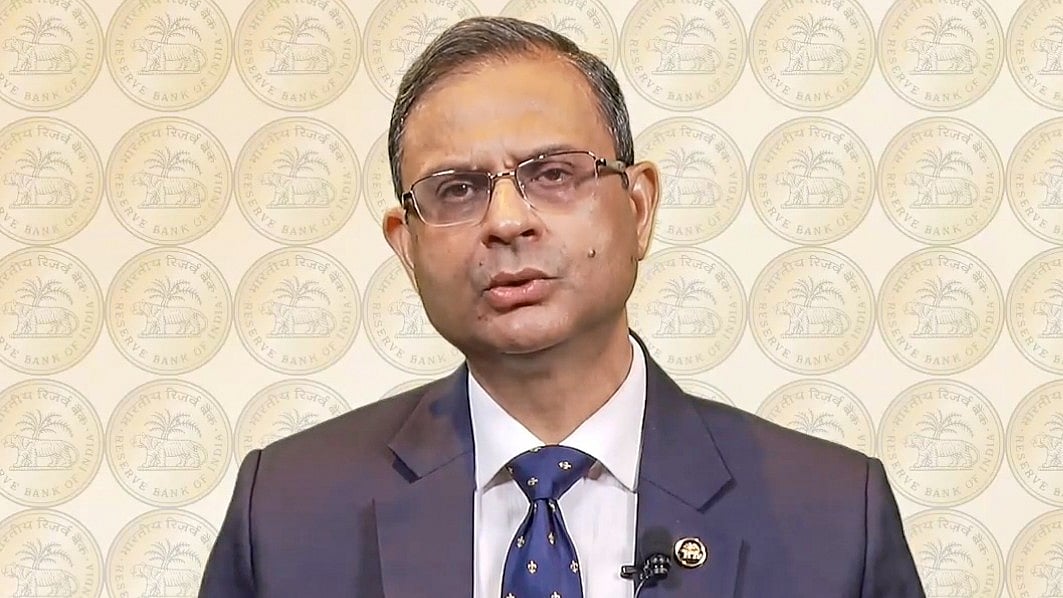
The Reserve Bank of India is maintaining a cautious “wait-and-watch” approach to monetary policy amid escalating tensions in West Asia, governor Sanjay Malhotra has said.
Speaking at Princeton University, Malhotra warned that the ongoing conflict in the region could have significant implications for the Indian economy, particularly if supply disruptions persist.
He highlighted West Asia’s critical importance to India’s trade, noting that the region accounts for a substantial share of exports and imports, as well as a significant proportion of crude oil and fertiliser supplies. It is also a major source of remittances into the country.
“The second-round effects are the real concern,” he said, cautioning that initial supply shocks could translate into broader and more persistent inflationary pressures if not contained.
Against this backdrop, the central bank is refraining from committing to a fixed trajectory on interest rates. Malhotra stressed that decisions by the monetary policy committee would remain data-driven, with a continuous reassessment of risks.
The MPC has held a neutral stance since mid-2025, following cumulative rate reductions earlier that year.
Addressing currency movements, the governor defended the RBI’s interventions in foreign exchange markets, while clarifying that the bank is not targeting a rigid exchange rate for the rupee. The currency has weakened in recent weeks following the outbreak of the conflict.
India’s foreign exchange reserves currently stand at around $710 billion, providing cover for more than 11 months of imports, he added.
Malhotra also pointed to progress in financial infrastructure, highlighting the rapid growth of the Unified Payments Interface, which processed more than 22 billion transactions in March alone.
He said the RBI is developing the Unified Lending Interface to facilitate quicker access to credit for small businesses and farmers, as part of its broader developmental agenda.
On fiscal indicators, the governor noted an improvement in the government’s deficit position in recent years, alongside a relatively moderate debt-to-GDP ratio compared with many of the world’s largest economies.
Despite these positive trends, he emphasised that external risks — particularly those stemming from geopolitical instability — remain a key concern for policymakers.
With IANS inputs
Join our official telegram channel (@nationalherald) and stay updated with the latest headlines