Nation
Who qualifies as a journalist at protests? Supreme Court to examine
Court to examine greater protection for accredited reporters, seeks evidence of alleged police excesses from two journalists’ unions
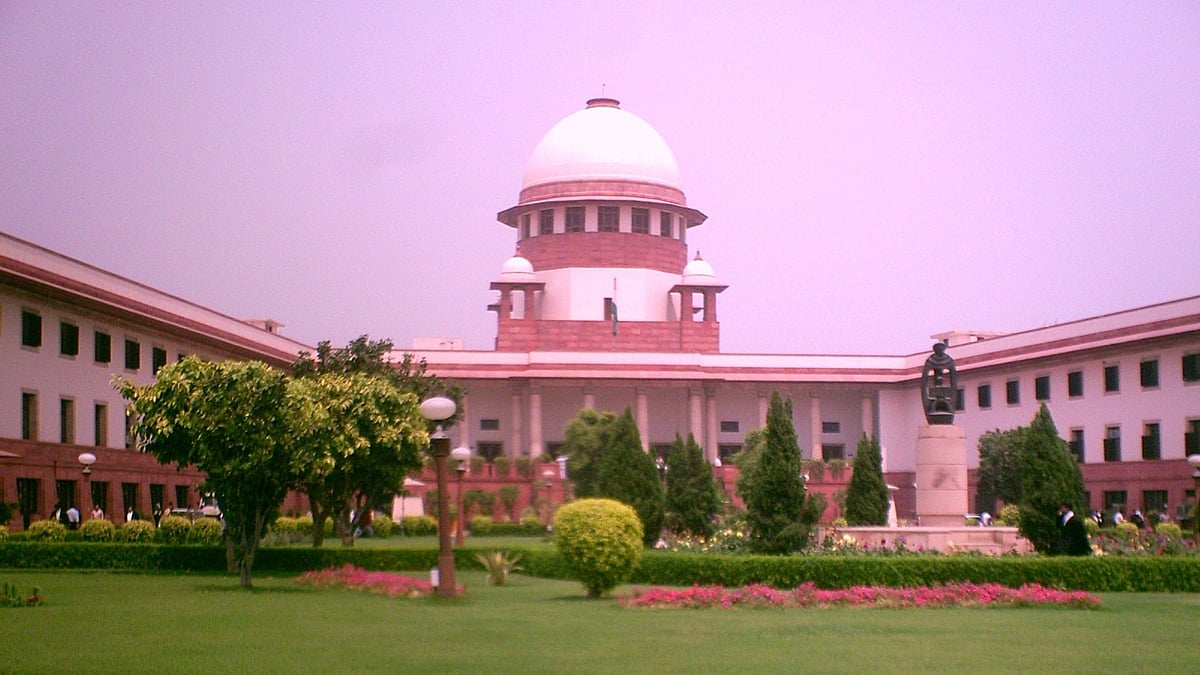
The Supreme Court will consider whether press accreditation should affect the protection afforded to journalists covering protests
A five-member panel will examine claims that police detained seven journalists and used force against reporters covering Delhi protests on 10 and 11 October
The journalists’ unions say reporters were obstructed despite showing press credentials. Delhi Police argues that social media creators cannot automatically claim the same protections as journalists
The Supreme Court on Thursday said it would examine who qualifies as a journalist and whether accredited reporters should receive greater protection than people who describe themselves as journalists while covering protests.
A bench of Chief Justice of India Surya Kant and justices Joymalya Bagchi and V. Mohana said the freedom to report had to be balanced with the need to maintain public order. Justice Bagchi observed that accreditation could make a difference to the protection a reporter receives, raising a question the court said it would consider.
The bench referred the factual claims arising from the Delhi protests on 10 and 11 October 2026 to a five-member committee headed by former Supreme Court judge R Subhash Reddy. It asked the petitioners to submit material showing whether the journalists were at the protest sites, whether police used force against them and, if so, whether that force was proportionate to what was needed to maintain public order.
Unions say reporters showed press credentials
The Kerala Union of Working Journalists and the Delhi Union of Journalists said in their petition that reporters were forcibly removed from protest sites, prevented from recording events and subjected to physical force. The unions said accredited journalists were dragged away, manhandled and detained despite showing their press credentials.
Senior advocate P V Dinesh told the court that the seven people taken into custody worked for established news organisations. He asked whether recognised journalists could be detained while covering an event.
Delhi Police draws distinction between reporters and influencers
In an affidavit submitted earlier, Delhi Police argued that journalists formed a distinct category from influencers and social media creators who make videos for commercial gain. It said using cameras and microphones to create content at a protest did not automatically entitle someone to the protections afforded to the press.
With PTI inputs
Join our official telegram channel (@nationalherald) and stay updated with the latest headlines