Opinion
Beyond NEET: India's education crisis demands a national response
NEET is only the symptom. India's education system needs a fundamental rethink to restore trust and opportunity
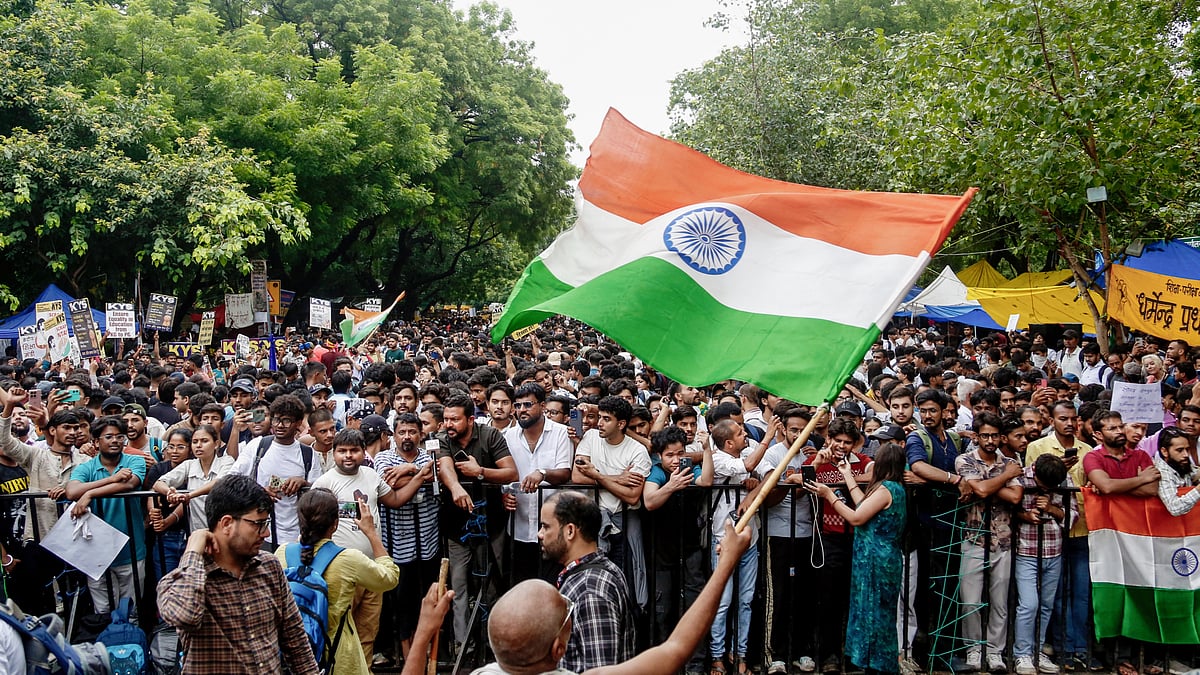
The controversy surrounding the NEET examination has become a symbol of a much deeper crisis within India's education system. While paper leaks and administrative failures have dominated headlines, reducing the debate to a single examination would overlook the concerns of millions of students across the country. At its core, this is a question of public trust, educational quality, and whether India's youth are being adequately prepared for the future.
For most Indian families, education represents the single largest investment they make in securing their children's future. Years of preparation, expensive coaching, travel, accommodation, examination fees, and emotional sacrifice create enormous pressure on households. When the system fails, the consequences extend far beyond one examination cycle. It erodes aspirations, undermines confidence, and weakens faith in public institutions.
Lok Sabha Leader of Opposition Rahul Gandhi has sought to broaden this conversation beyond the immediate controversy. His argument has been that examination reforms alone cannot resolve the structural problems confronting Indian students. He has consistently advocated aligning education with employment, entrepreneurship, and the evolving needs of the economy. The objective, he argues, should be an education system that equips students not merely to earn degrees, but to build meaningful careers and contribute productively to society.
This wider conversation deserves serious national attention. India produces millions of graduates every year, yet employers continue to report shortages of industry-ready skills while educated unemployment remains persistently high. The challenge, therefore, is not simply conducting examinations fairly; it is redesigning an education system that prepares young Indians for a rapidly changing economy.
The present movement has also highlighted an important political reality. Transformational reforms require sustained public engagement, parliamentary oversight, and organised advocacy. As India's principal opposition, the Congress Party possesses the national presence necessary to ensure that education remains a sustained policy priority rather than a fleeting news story. Whether it succeeds will ultimately depend on its ability to convert public sentiment into legislative pressure and meaningful policy alternatives.
At the same time, independent public voices such as Sonam Wangchuk and Abhijeet Dipike have an important role to play. Their interventions have consistently drawn attention to issues of governance, education, and institutional accountability. While maintaining their independence, their participation in the broader conversation could help ensure that the focus remains on students and long-term reform rather than partisan politics or the news cycle.
Grassroots mobilisation also reflects the growing urgency of the issue. Campaigns such as the Indian Youth Congress's Chhatron Ki Goonj suggest that student concerns are becoming increasingly organised. According to the organisers, the campaign has attracted more than one million registrations, signalling widespread frustration over examination integrity, educational quality, and employment opportunities. Regardless of political affiliation, such mobilisation underscores one undeniable reality: education has emerged as one of the defining public policy challenges facing this generation.
India's demographic dividend will remain unrealised unless its education system delivers opportunity, innovation, and employability. The NEET controversy should therefore be remembered not merely as a failure of an examination process, but as the moment the nation confronted the deeper structural weaknesses of its education system. If this crisis ultimately leads to comprehensive reforms that restore public confidence, strengthen institutions, and place students at the centre of policymaking, it may prove to be one of the most consequential turning points in modern India's educational history.
The question before the nation is no longer whether NEET failed. It is whether India is prepared to reform an education system upon which the future of more than 600 million young Indians depends.
The writer is an advocate and vice-president, Bihar Pradesh Youth Congress
Join our official telegram channel (@nationalherald) and stay updated with the latest headlines