Opinion
Resignation or spectacle: the politics of image vs accountability in NEET scandal
When moral responsibility is reduced to a staged exit and praise masks failure, democracy pays the price
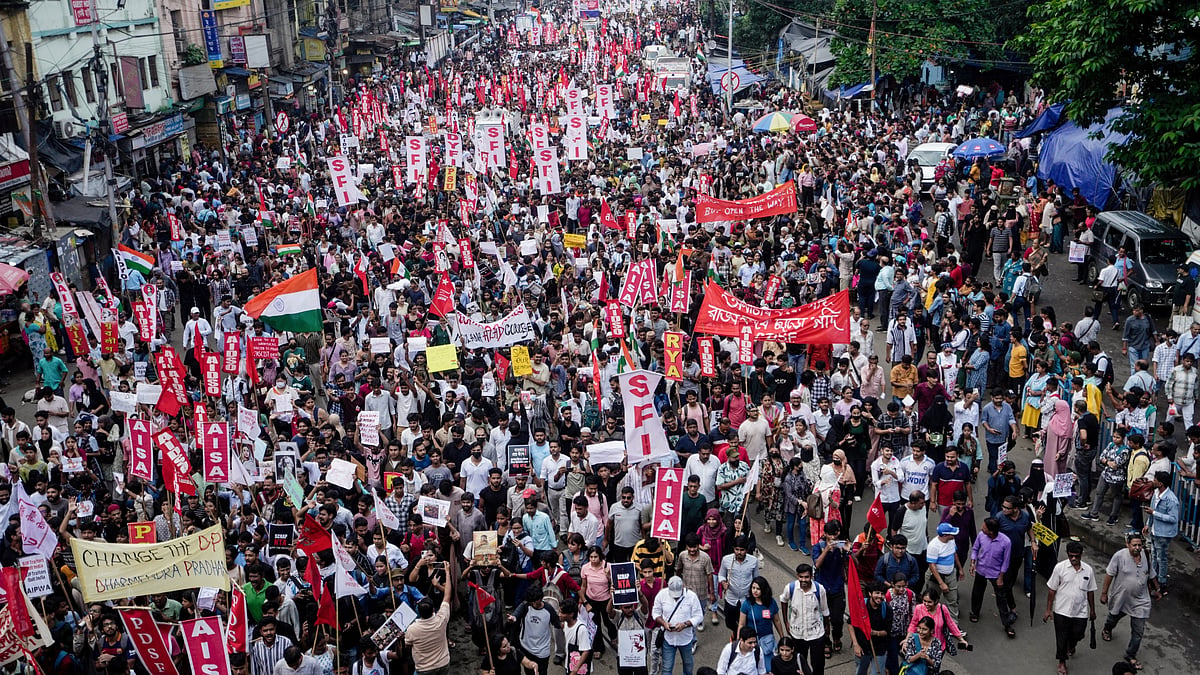
In Indian politics, the spectacle often eclipses the substance. The aftermath of Dharmendra Pradhan’s resignation as Union education minister vividly illustrates this. Rather than a moment of genuine accountability for the glaring failures under his tenure—exemplified by the NEET paper leak scandal—the event was transformed into a choreographed exercise in political image management.
Across the country, while outrage simmered over an exam scandal that jeopardised the futures of lakhs of students, top BJP leaders converged on Pradhan’s residence. Instead of criticism, he received accolades as a visionary reformer and a moral exemplar. The nation appeared to witness a victory parade, not the departure of a minister whose ministry was embroiled in crisis.
This raises a fundamental question. If the resignation signalled acceptance of moral responsibility for systemic failure, how does one reconcile this with the simultaneous glorification of the same individual as an architect of education reform? Was the resignation a genuine admission or merely political expediency under pressure?
The answer reveals a troubling erosion of democratic accountability. In practice, the ritual of resignation serves less as a starting point for investigation and reform. It becomes an exercise in public relations. The ensuing chorus of praise effectively deflects blame from leadership and institutional shortcomings.
Meanwhile, the very students whose hard work was derailed faced police brutality, arrests, and stigmatisation as agitators and other name calling. At no point did the government acknowledge their grievances or offer an apology. Only when political costs mounted did the “sentiments of the youth” suddenly become worthy of recognition—a stark demonstration of selective empathy.
Such a pattern—denial, demonisation of dissent, symbolic sacrifice, and reframing that sacrifice as moral victory—is not novel; it is a familiar political playbook. But it is corrosive to democratic norms. It preserves individual reputations while institutions crumble, allowing systemic weaknesses to persist unaddressed.
If the New Education Policy was indeed successful, why then did examination leak incidents proliferate? Why was trust in the system irreparably damaged? A policy is only as credible as its outcomes—not as its announcements.
Morality in politics has been diluted to a mere exit ritual, rather than a commitment to transparency, accountability, and reform. The resignation becomes an end point, not a beginning. This adulation insults public memory, discounting the anguish of students and families caught in the turmoil.
This episode exposes a political culture that converts every crisis into a spectacle—a culture where leadership is beyond reproach, failure is shifted to “circumstances”, and public accountability is sacrificed for image preservation.
True democracy demands more: it demands standing with the people, not just leaders; it demands revealing the whole truth, conducting independent inquiries, enforcing justice, and reforming broken systems.
When history records this chapter, it will not remember which leader paid a visit or delivered tributes. It will remember whether those in power chose introspection or self-congratulation in the face of a crisis shaking the trust of millions of youth.
Dharmendra Pradhan's resignation, therefore, is not merely an event but a symptom—of a political morality defined more by optics than responsibility, more by spectacle than substance.
Join our official telegram channel (@nationalherald) and stay updated with the latest headlines