Opinion
Something is rotten in the House of Tatas
With the warring sides washing their dirty linen in public, the reputation of the business group has taken a hit
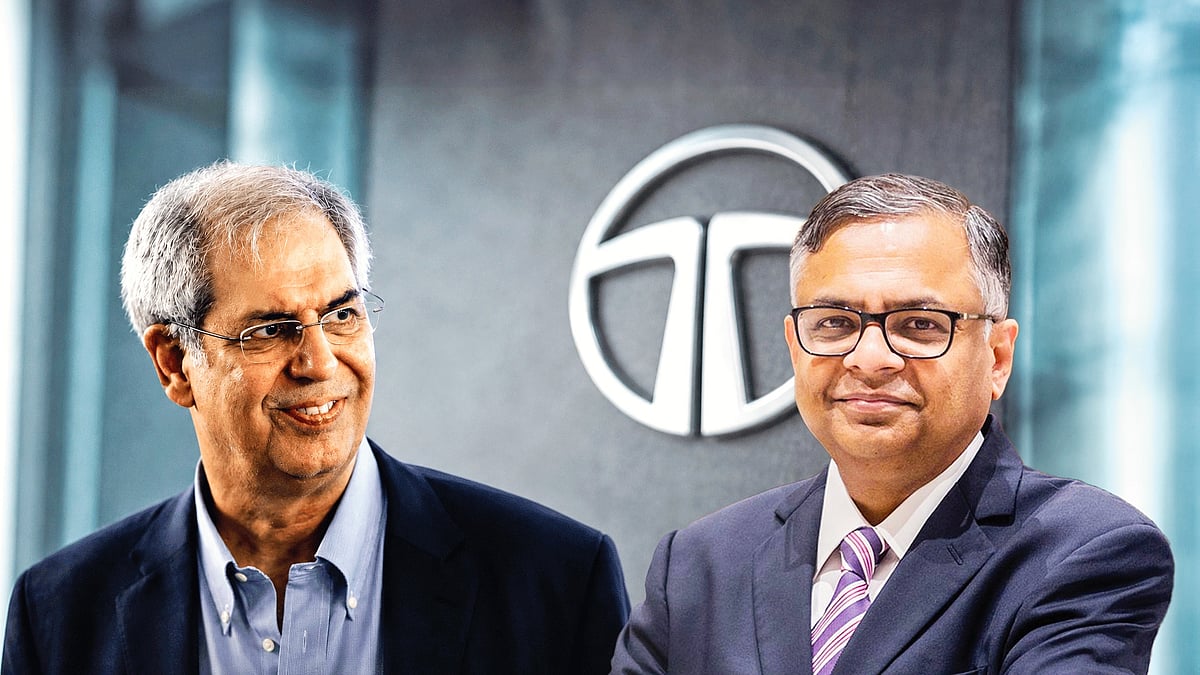
No matter how the battle for control of Tata Trusts and Tata Sons pans out, the biggest casualty will be the reputation the business group has painstakingly built over generations. Also, the reputation of the many eminences who sit on the board of Tata Sons and the boards of various Tata trusts.
Morals, ethics and regulations have all been too malleable in this battle between those who back Noel Tata, chairman of Tata Trusts, and those who oppose him, including Venu Srinivasan and Vijay Singh, vice-chairmen of Tata Trusts, and N. Chandrasekaran, current chairman of Tata Sons. The battle has also raised questions about the role of the Reserve Bank of India.
The first question is who should speak on behalf of Tata Trusts? Noel Tata, half-brother of the late Ratan Tata (or RNT, as he was popularly known) is facing very public opposition from his own vice-chairmen, who have even complained to the Maharashtra Commissioner of Trusts. These same men rallied to unanimously anoint Noel as chairman of the Trusts after the death of Ratan Tata but have now turned against him.
The second question is about the conduct of the Tata Sons chairman N. Chandrasekaran, or Chandra as he is generally called, and the role of the Tata Sons independent directors, including Harish Manwani and Anita Marangoli George.
All Tata Sons board members, except Noel Tata, agreed on a third term for Chandra as Tata Sons chair, without even soliciting the opinion of its two major shareholders. The Tata Trusts have a 66 per cent stake in Tata Sons and Noel had made it clear that he was not in favour of a third term for Chandra. The directors who voted for a third five-year term for Chandra also disregarded the fact that he would cross the mandatory retirement age for executive directors of Tata Sons in two years.
Corporate disagreements and succession battles are not unusual. But the Tata group has always made much of its ethics, of holding itself to higher standards and of doing things the right way. All that loftiness has gone out of the window.
The warring sides have been washing dirty linen in full public glare. Letters written to each other have been released to the media. And no attempt has been made to iron out differences or take up dissenting views in the boardroom. The Tata Trusts recently held a meeting to clear grants for several social projects, but these contentious issues were not on the agenda.
Meanwhile, the next meeting of the Tata Sons board is scheduled on Monday, 30 November. We’ll have to wait and see if and how the directors try to settle their differences with the company’s biggest shareholder.
****
Noel Tata, who became chairman of Tata Trusts in October 2024 following the death of Ratan Tata, is not entirely blameless. In trying to establish firm control of the Trusts, he tried to remove several long-time trustees, including the two vice-chairs, too quickly perhaps.
Noel may also like his children to have a bigger role in the group as well as the trusts. This was possibly another trigger for the dissent.
Also, after initially agreeing with Venu and other trustees that Chandra deserved another term as Tata Sons chair, Noel changed his views and didn’t even see fit to discuss the change of heart with his fellow trustees.
Meanwhile, Chandra has also shown that he is willing to do anything to retain control. He initially said he was going to step down once his current term ended — presumably because of disagreements with Noel Tata — but has since shown great appetite to accept a third term.
RBI regulations have also come under the spotlight in this whole affair. Tata Sons is classified by the RBI as an upper layer non-banking financial company (NBFC-UL). Unlike its upper-layer NBFC peers, Tata Sons is not in the business of lending to anyone except Tata group companies. And it recently became debt-free to try and remain a private company. The RBI, as several experts have pointed out, does not require Tata Sons to list to ensure transparency of its financial dealings.
This is the second time in recent memory that the Tata group has been in the midst of a no-holds-barred battle for control. The earlier instance was when Ratan Tata decided to oust Cyrus Mistry, his handpicked successor, as chairman of Tata Sons after the two had had a bitter falling out. At that time too, the war was fought through selective leaks, letters and briefings to the media as well as the court of law.
This fight too is headed to the courts — the Tata Trusts have already moved the Bombay High Court against Tata Sons and its board of directors. Both sides have retained some of the best legal counsel in the country.
Perhaps the current problems arise from the fact that RNT found it hard to let go his control of the group till the very end. Even when he retired as Tata Sons chair, RNT effectively controlled it as the head of Tata Trusts, the principal shareholder of Tata Sons. And even though RNT had seen how succession battles play out in other corporate groups, he took no steps to ensure that such a fight did not break out after his own demise. He did not make it clear who would be in control of the Trusts after him.
RNT wanted Tata Trusts to have the veto on who would be the Tata Sons chair and on other key decisions. He did not want Tata Sons to be listed. On these two issues, Noel is on the same page as RNT.
While Noel would like Tata Sons to remain private, the second biggest shareholder — the Shapoorji Pallonji Group, which has ~18.4 per cent of Tata Sons — is very keen on the listing. It would help them unlock the value of their shares. According to a recent story in Mint, Shapoorji Mistry has been relentlessly lobbying the RBI over the past year and pushing for a Tata Sons listing.
The group has seen — and weathered — many a storm since its founding in 1868, but this one is threatening to cause lasting damage.
Prosenjit Datta is a veteran business editor and author