Opinion
The meaning of energy sovereignty
Gurdeep Sappal on the alarming increase in India’s dependence on oil imports and the policy misadventures that led to this
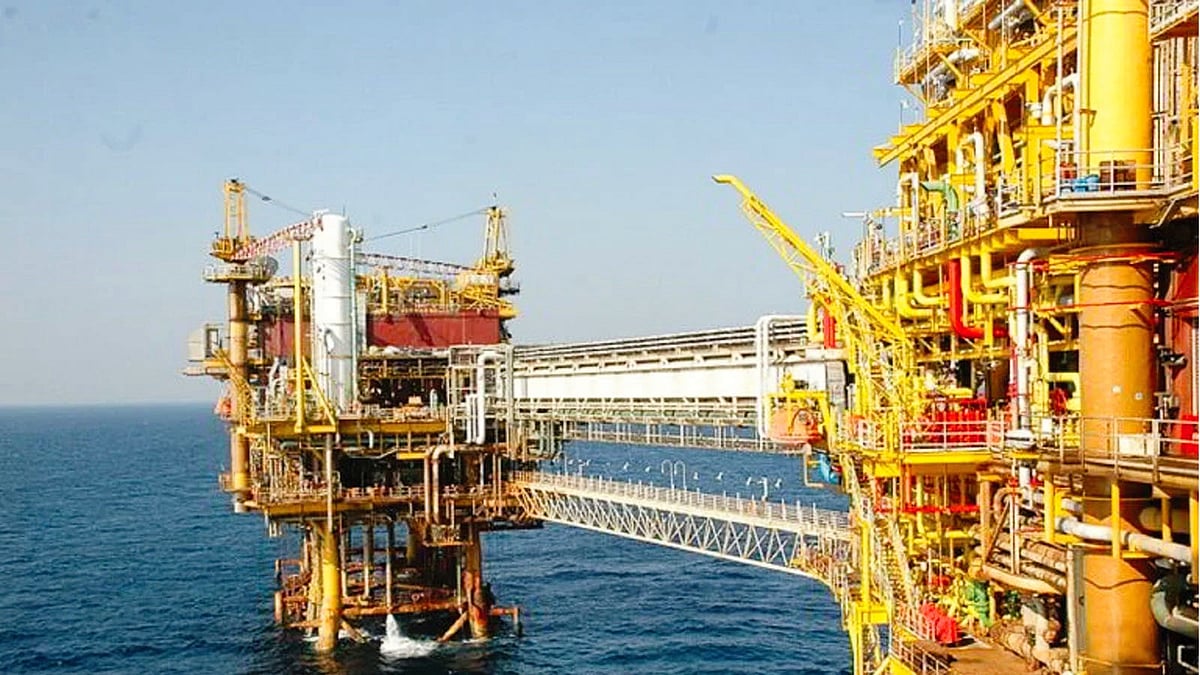
In 1955, a young minister named Keshav Dev Malaviya walked into Jawaharlal Nehru’s office with a daring proposal — India had to explore, drill and produce its own crude oil. Western powers and global oil majors lobbied strongly against Malaviya’s push for a sovereign, state-led oil exploration and production programme.
These behemoths controlled the entire petroleum chain and were already pressuring India not to buy cheap Soviet oil — available against payment in rupees. They lobbied against oil exploration in India, citing prohibitive costs and a lack of qualified technical manpower.
Nehru and Malaviya, leading a newly independent, underdeveloped nation, stood firm. The result was ONGC, the Oil and Natural Gas Commission, established in 1956. Within three years, India had trained and appointed its first batch of a hundred geologists and geophysicists.
The new team struck oil in Cambay in 1959. By 1974, India’s first offshore drilling platform at Bombay High was operational, meeting two-thirds of the country’s oil needs by the 1980s. ONGC became India’s most profitable company and the crown jewel of its energy sovereignty.
Seven decades later, that vision is in tatters. India now produces a meagre 13 per cent of its oil consumption. ONGC, which carried a Rs 13,000 crore cash surplus in 2014, had accumulated Rs 78,000 crore in debt by 2024 — exploited as it was to fund the Modi government’s fiscal deficit and cover the Gujarat State Petroleum Corporation (GSPC) fiasco.
ONGC was forced to acquire GSPC, shelling out Rs 7,480 crore for a block with no commercial production, and to absorb Rs 19,576 crore of its debt. In 2018, it was again forced to purchase a 51 per cent stake in HPCL for Rs 36,915 crore —a transaction in which the government was simultaneously seller and beneficiary, using ONGC as an instrument to meet its own disinvestment targets.
The result was a cash-depleted, debt-ridden company, which meant sacrificing capex for future exploration. India’s oil production has declined from 26 per cent of domestic consumption in 2014 to 13 per cent today. The International Energy Agency (IEA) projects a further decline to just 8 per cent by 2030.
The oil bond alibi
While systematically weakening domestic production, the Modi government sought the distraction of ‘the oil bond crisis’ inherited from the UPA years.
International crude prices have ranged from $30–65 per barrel for most of the Modi years — far below the $145 peak of the UPA era. Yet retail fuel prices remained persistently high and rising, with the oil bond repayment burden cited as justification.
The numbers tell a different story. Between 2014, when the Modi government began its first term in office, and now, the government has repaid Rs 3.2 lakh crore in oil bonds — but collected nearly Rs 44 lakh crore in petroleum taxes in the same period, a 400 per cent increase over the Rs 10.75 lakh crore collected during the UPA years. The oil bond repayment amounted to just 7.2 per cent of its petroleum tax receipts. The public bore a 400 per cent tax increase; the government offered a fiscal sleight of hand in return.
****
When Narendra Modi took office in May 2014, global crude was at $107 per barrel, but prices collapsed within months; by January 2016, the ‘Indian basket’ [a weighted average of international prices for the specific mix of ‘sour’ (high-sulphur) and ‘sweet’ (low-sulphur) crude oil grades imported by Indian refineries] had fallen to $28 — a 74 per cent fall. For a country importing 85 per cent of its oil, this was an extraordinary windfall. Consumers who had endured a decade of high prices deserved relief.
What followed instead was a masterclass in fiscal opportunism. Excise duty on petrol was raised by 350 per cent and on diesel by 380 per cent. Retail prices didn’t move downwards. The entire benefit of the greatest oil price crash in decades flowed into government coffers.
The same playbook was deployed when crude crashed below $20 in April 2020 during the Covid-19 pandemic. In May 2020, the government imposed record single-day hikes — Rs 10 per litre on petrol and Rs 13 on diesel. Petroleum excise revenue that year reached Rs 3.71 lakh crore, a 69 per cent jump in a single year.
In April 2025, with Brent crude back at $63, another Rs 2 per litre was added. Total petroleum tax collections under Modi between 2014–15 and 2025–26 will have exceeded Rs 67 lakh crore including the states’ share, with the Union government receiving nearly Rs 44 lakh crore.
The Manmohan Singh years…
The UPA government under Dr Manmohan Singh (2004-14) governed through an era of brutal crude prices — the Indian basket averaged $112 per barrel in 2011-12, the highest sustained price level in history. Yet retail petrol prices was kept below Rs 72 per litre through the Administered Price Mechanism: a tripartite arrangement involving direct budget subsidies, upstream company contributions and oil bonds.
During the UPA decade, the Union government collected Rs 10.75 lakh crore in petroleum taxes and returned Rs 8.56 lakh crore in subsidies, approximately 80 per cent, to keep prices under control. The Modi government collected Rs 44 lakh crore and returned Rs 1.7 lakh crore in subsidy, which amounts to roughly 4 per cent. The contrast is stark.
…and the backslide since
India’s domestic crude production peaked at 38 million tonnes in 2011-12. By 2023-24, it had fallen to 29.4 million tonnes — a 23 per cent decline. Self-sufficiency, which stood at 27 per cent of consumption in 2004, stands at 13 per cent today.
The IEA projects that without major new investments, India will produce just 540,000 barrels per day by 2030, meeting less than 8 per cent of projected consumption. The country will need to import over six million barrels per day, potentially making it the world’s second-largest crude importer with an annual oil bill exceeding $200 billion.
A country importing 92 per cent of its oil has no energy security, no leverage in energy diplomacy, and no buffer against supply shocks — whether from a Middle Eastern conflict, a strait blockade, or an OPEC production decision.
In the 1950s, India was a nascent democracy with no resources, no trained manpower and no experience in energy governance. Yet within a decade, Nehru built not just a technical workforce for indigenous development but also resolved to resist foreign pressure and chart India’s own course. He understood that energy sovereignty is the foundation of all other forms of independence.
ONGC was built against the wishes of the Western oil cartel, through years of painstaking development, and handed to future governments as an instrument of strategic autonomy. What has been done to that institution, and to the consumers who were denied the benefit of three separate windows of cheap global oil, is a story of institutional betrayal dressed in the language of fiscal responsibility.
And as India hurtles towards a 2030 oil import Bill that could destabilise its current account, crowd out public investment, and leave its economy perpetually hostage to West Asian politics, the question is no longer whether this was a mistake. The question is whether there is still time and will to correct it.
Gurdeep Singh Sappal is a Permanent Invitee to the Congress Working Committee
Join our official telegram channel (@nationalherald) and stay updated with the latest headlines