POLITICS
Cong contrasts Rajiv Gandhi’s voting-age reform with young voters’ exclusion under Modi
Jairam Ramesh contrasts 1988’s voting-age reform with halted annual roll revisions; EC defends its procedures
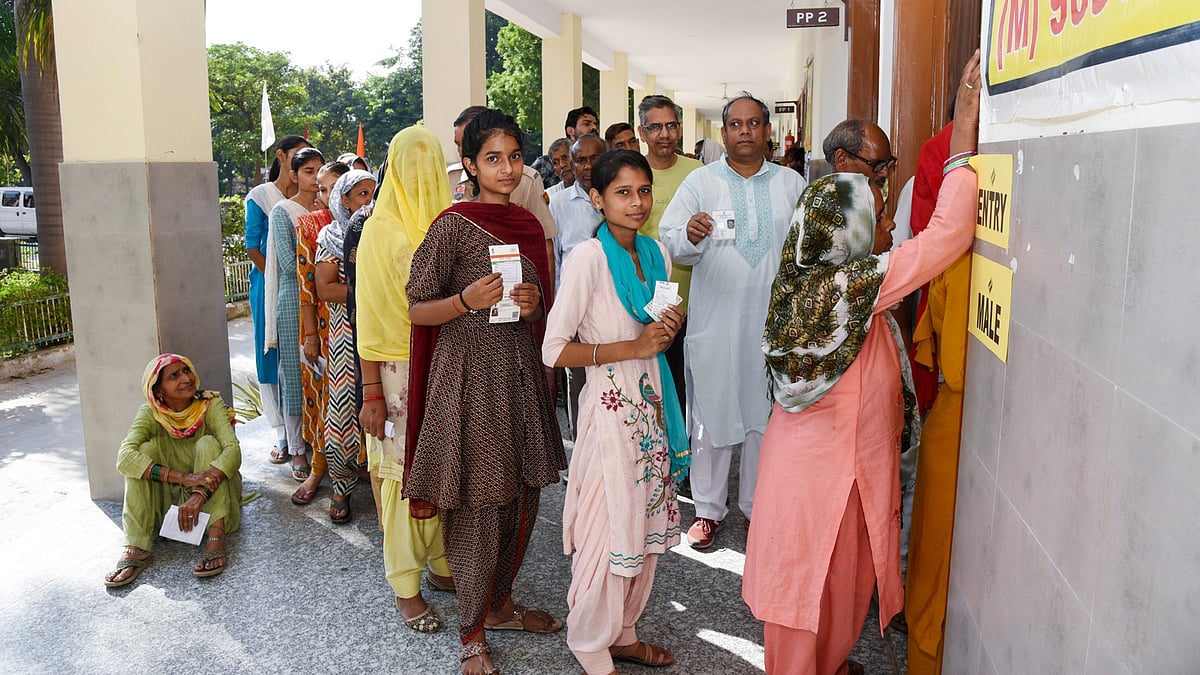
Jairam Ramesh accused Prime Minister Narendra Modi of trying to keep newly eligible young voters off electoral rolls
He contrasted the alleged halt in annual roll revisions with Rajiv Gandhi’s move to lower the voting age from 21 to 18
The Election Commission said differing views within the poll panel were part of normal deliberations and that its orders followed legal procedures
Congress leader Jairam Ramesh on Friday accused Prime Minister Narendra Modi of seeking to keep young voters off electoral rolls, contrasting the present government’s approach with the 1988 decision to lower the voting age from 21 to 18.
In a post describing what he called “a Tale of Two PMs”, Ramesh said Rajiv Gandhi had secured a constitutional amendment through Parliament to give younger people the vote. He alleged that Special Summary Revisions of electoral rolls had been stopped since 2024, preventing newly eligible voters from being enrolled.
“One PM gave Gen Z the vote, the other is determined to snatch it away through underhand means,” said Ramesh, the Congress general secretary in charge of communications. He claimed Modi feared young voters because he had failed to meet their hopes and aspirations.
The Congress had made a similar allegation on Thursday, saying young voters were being targeted for exclusion and calling for Chief Election Commissioner Gyanesh Kumar’s immediate resignation. Ramesh alleged that the annual revision process, which he said provides a route for newly eligible voters to be added to the rolls, had remained frozen for two years.
His remarks followed an Indian Express report that Election Commissioners Sukhbir Singh Sandhu and Vivek Joshi had recorded objections at least 14 times over the past 10 months to decisions and orders they said were issued without their knowledge. According to the report, their concerns included changes to the voter registration Form 6, additions and deletions from electoral rolls, and centralised control of the electoral roll database.
Responding to the reported objections, the Election Commission said differing views were a normal part of institutional deliberations. It maintained that its orders had full legal sanction and followed established statutory procedures, and said all its officers were authorised to suggest improvements to the electoral system.
With PTI inputs
Join our official telegram channel (@nationalherald) and stay updated with the latest headlines