POLITICS
Cong flags call by US govt body for sanctions against RSS, RAW
In new report, USCIRF says RSS should be held accountable for “responsibility and tolerance of severe religious freedom violations”
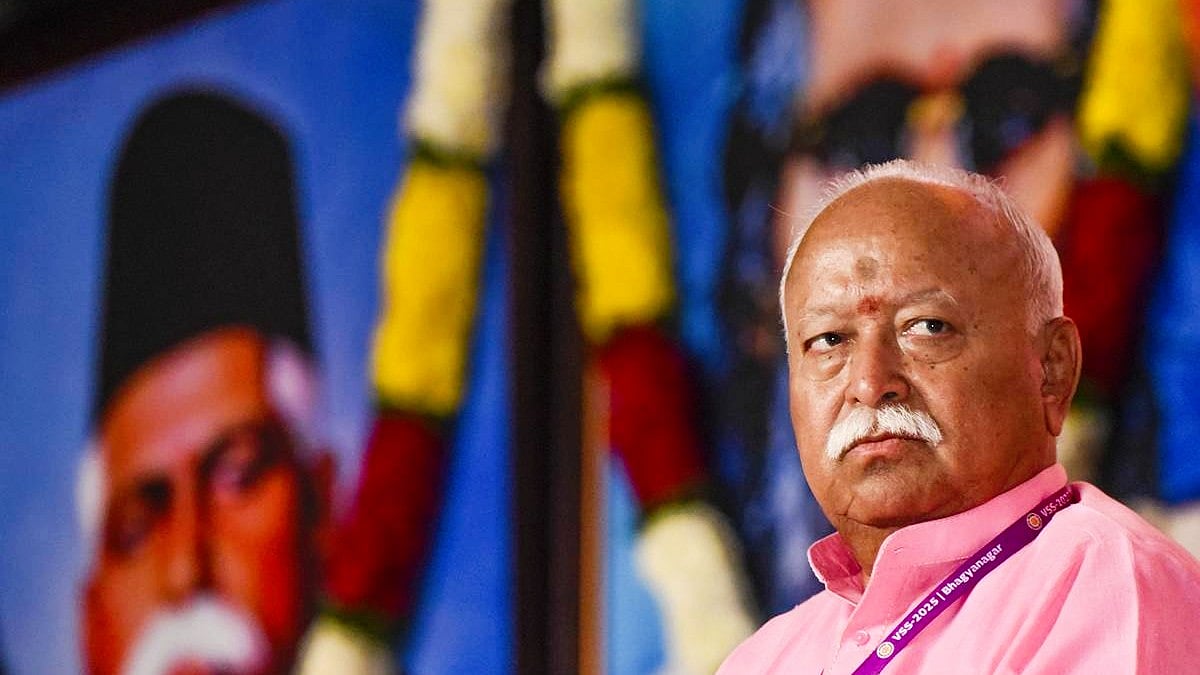
With the BJP’s ideological parent organisation Rashtriya Swayamsevak Sangh (RSS) celebrating its centenary year, the Congress on Monday recalled that India’s first home minister Sardar Vallabhbhai Patel had banned the RSS following the assassination of Mahatma Gandhi in 1948.
The remarks came a day after the US Commission on International Religious Freedom (USCIRF) recommended sanctions against the RSS and India’s external intelligence agency, the Research and Analysis Wing (R&AW).
Congress shared the USCIRF post on social media and said, “The USCIRF has warned that the RSS (Rashtriya Swayamsevak Sangh) poses a threat to people's religious freedom”, noting that USCIRF is an official US government body.
Highlighting the commission’s findings, the Congress said the panel had warned that the RSS poses a threat to religious freedom. The party further alleged that “an organization that opposes the Constitution and advocates running the country according to the Manusmriti is poison to the unity and brotherhood of this nation.”
In its latest report, the USCIRF said the organisations should be held accountable for their “responsibility and tolerance of severe religious freedom violations”.
To enforce this, the commission recommended targeted sanctions, including the freezing of personal or organisational assets and the imposition of US travel bans on individuals or entities found responsible.
The US commission also urged the US State Department to designate India as a 'Country of Particular Concern' (CPC), a classification reserved for nations whose governments engage in or tolerate “systematic, ongoing, and egregious” violations of religious freedom under the International Religious Freedom Act (IRFA).
According to the report, religious freedom conditions in India “continued to deteriorate” throughout 2025. It alleged that authorities introduced and enforced legislation that disproportionately targeted religious minorities and their places of worship.
“Several states undertook efforts to introduce or strengthen anti-conversion laws with harsher prison sentences,” the report said. It also alleged that authorities facilitated widespread detention and illegal expulsion of citizens and religious refugees, while vigilante attacks against religious minorities were tolerated.
Additionally, The USCIRF criticised the proposed Waqf (Amendment) Bill, which mandates the inclusion of non-Muslim members on boards managing Muslim religious endowments. These waqf properties include mosques, madrasas and graveyards.
The report also referred to the continued detention of activists Umar Khalid and Sharjeel Imam, among others linked to the 2020 protests against the Citizenship Amendment Act (CAA). It described their prolonged incarceration as a means of suppressing dissent and targeting advocates of minority rights.
Though the Ministry of External Affairs has not reacted yet this time, in 2025, it had dismissed the report as “biased and politically motivated” assessments.
The MEA had then said the panel’s repeated attempts to highlight isolated incidents and portray them as representative of the country’s broader social reality amounted to cast aspersions on India’s "vibrant, multicultural society" rather than a "genuine concern for religious freedom".
Join our official telegram channel (@nationalherald) and stay updated with the latest headlines