POLITICS
Shiv Sena (UBT) targets Fadnavis over ‘Brahmavakya’ remarks, cites double standards
Saamana editorial says Constitution alone is supreme as row deepens over authority of legislative chair
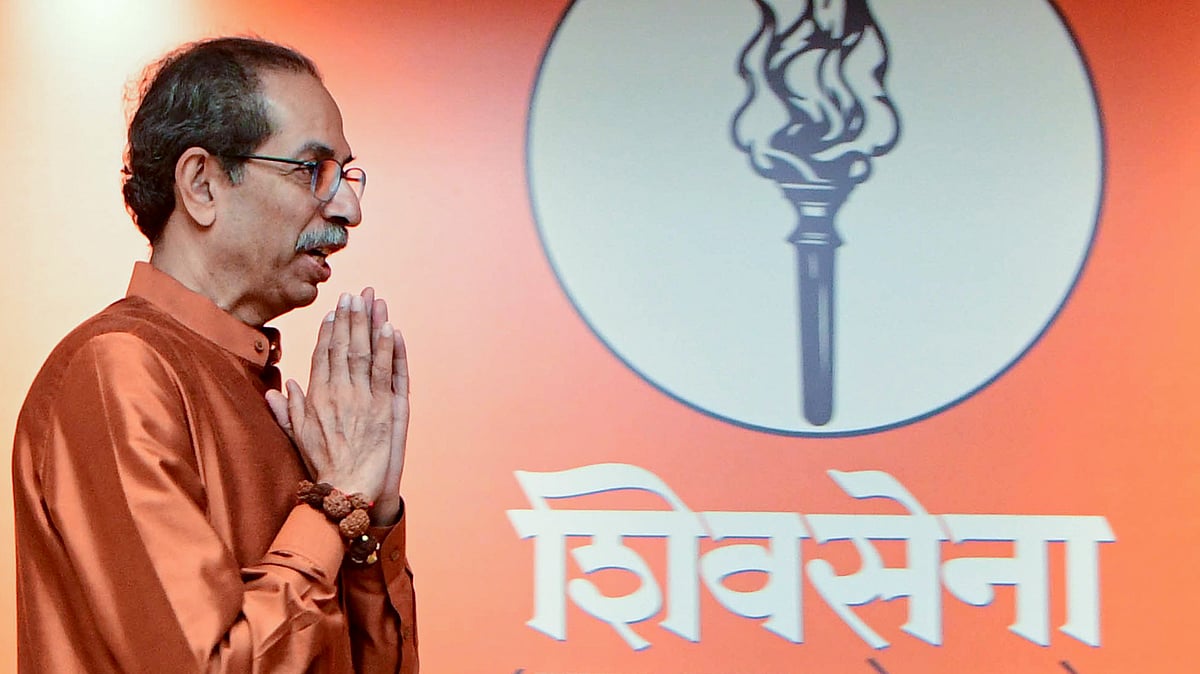
The Shiv Sena (UBT) on Thursday criticised Maharashtra Chief Minister Devendra Fadnavis over his recent remarks in the Legislative Council, accusing him of adopting a stance driven by “political convenience”.
In an editorial published in its mouthpiece Saamana, the party said Fadnavis had triggered a debate by stating that directions issued by the Speaker or Chairperson cannot be treated as final or “Brahmavakya” (divine pronouncement). The editorial argued that this position contradicted the ruling alliance’s earlier acceptance of similar decisions when it suited them politically.
The controversy is rooted in a dispute in Satara over the Zilla Parishad presidency, where tensions reportedly arose between the BJP and the Shiv Sena faction led by Chief Minister Eknath Shinde. During the incident, allegations surfaced that the police acted in favour of the BJP, leading to a confrontation involving state minister Shambhuraj Desai.
Following the episode, Legislative Council Deputy Chairperson Neelam Gorhe directed the suspension of Satara Superintendent of Police Tushar Doshi. However, Fadnavis declined to act on the directive, asserting that the executive branch retains final authority and that such instructions are not binding.
Reacting sharply, the Uddhav Thackeray-led faction said that if the Chair’s directions are not absolute, then the government must also reconsider its earlier acceptance of the Assembly Speaker’s ruling on January 10, 2024, in the MLA disqualification case.
The editorial referred to the decision by Rahul Narvekar, who had rejected disqualification petitions against Shinde and several MLAs, while recognising his faction as the “real Shiv Sena”. At the time, the ruling alliance had welcomed the verdict as legally sound and final.
The UBT faction argued that the same leaders were now questioning the authority of the Chair only when it did not align with their interests. It called on Fadnavis to clarify whether the earlier ruling should also be considered open to review if his current position is consistent.
Emphasising constitutional principles, the editorial stated that no individual decision in a democracy is beyond scrutiny and that all such rulings remain subject to judicial review.
“There is only one true ‘Brahmavakya’, and that is the Constitution,” the party asserted, framing the issue as a broader question about institutional consistency and democratic accountability.
With IANS inputs
Join our official telegram channel (@nationalherald) and stay updated with the latest headlines