Sports
No smart glasses as BCCI clamps down on new gadgets
Media report reveals new measures in place for final two games after briefing of all franchises earlier this month
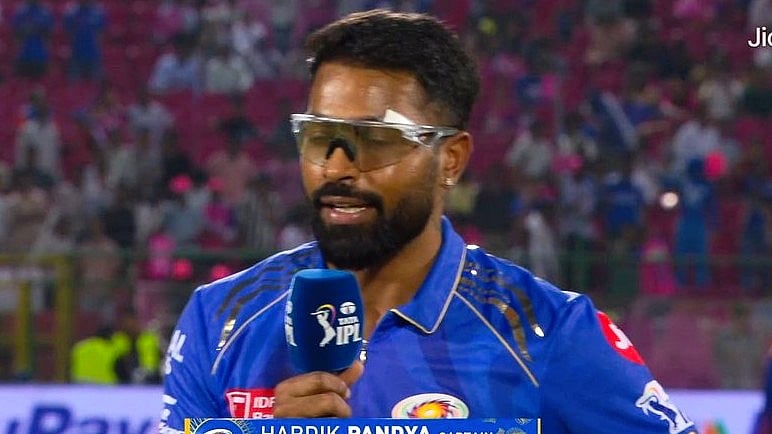
There is a renewed sense of urgency among IPL authorities to clamp down on the use of cutting-edge technology, seemingly in an effort to counter betting and match-fixing in the world’s richest league. With only two matches to go for the 2026 edition (qualifier 2 and final), a media report says the league's Anti-Corruption and Security Unit (ACSU) has issued a fresh advisory to players and support staff warning against the use of smart glasses, sunglasses and goggles equipped with communication and recording technology inside restricted areas on match days.
Under the new guidelines, players and support staff must hand over any smart glasses to the security liaison officer (SLO) when they arrive at the venue. These devices must be deposited along with mobile phones, smartwatches and any other communication-capable gadgets before entering restricted team areas. Anyone found carrying or using smart glasses — such as Ray-Ban Meta or Oakley — inside the PMOA (player and match officials area) will be held to be in violation of tournament protocols.
The board has also warned that failure to deposit such devices could lead to disciplinary action and personal penalties under the IPL 2026 Minimum Standards regulations.
This comes in the wake of the BCCI cracking the whip earlier this month when IPL CEO Hemang Amin had a meeting with representatives of all 10 franchises to sensitise them about the presence of ‘unauthorised’ persons in the team bus, PMOA and hotels. ‘’A few franchises had shown laxity towards maintaining protocol and hence, we needed to revisit them,’’ BCCI secretary Devajit Saikia said on that occasion.
An Indian Express report now says the ACSU, accountable for preventing spot-fixing and enforcing security protocols in the league, has informed the BCCI that several companies are actively marketing and selling smart eyewear products to players and team personnel participating in the IPL. ACSU flagged that these smart devices are capable of live-streaming, sending and receiving text messages and making audio and video calls using mobile data or Wi-Fi networks, raising concerns over unauthorised communication and potential misuse during matches.
Sources said the ACSU had specifically raised concerns about individuals attempting to loiter near dugouts and hospitality areas to initiate informal contact with players and support staff. Teams were advised to ensure that net bowlers, logistics staff, throwdown specialists and other temporary personnel remained within approved access protocols and did not carry unauthorised communication devices into sensitive areas.
The unit had also recently flagged concerns over vaping and smoking-related transgressions involving players and team members in and around restricted venues — with two high-profile offenders identified in Rajasthan Royals captain Riyan Parag and Punjab Kings’ senior leg-spinner Yuzvendra Chahal.
Teams have been advised to minimise unnecessary movement around hotel perimeters and public access points, considered vulnerable from an anti-corruption surveillance perspective.
The IPL’s anti-corruption framework has evolved since the 2013 spot-fixing scandal that triggered sweeping reforms in player monitoring and tournament security. The ACSU has, over the years, expanded surveillance around team hotels, dressing rooms, practice venues and dugouts. It’s learnt that ahead of IPL 2026, players were repeatedly warned against accepting gifts, participating in undisclosed commercial engagements and engaging with unknown individuals through social media platforms or private events.
Join our official telegram channel (@nationalherald) and stay updated with the latest headlines