Cricket
IPL 2026: Cricket fatigue, exit of gaming apps may pose questions in future
BARC India survey shows 18.8 per cent dip in television audience for world’s richest and most popular T20 league
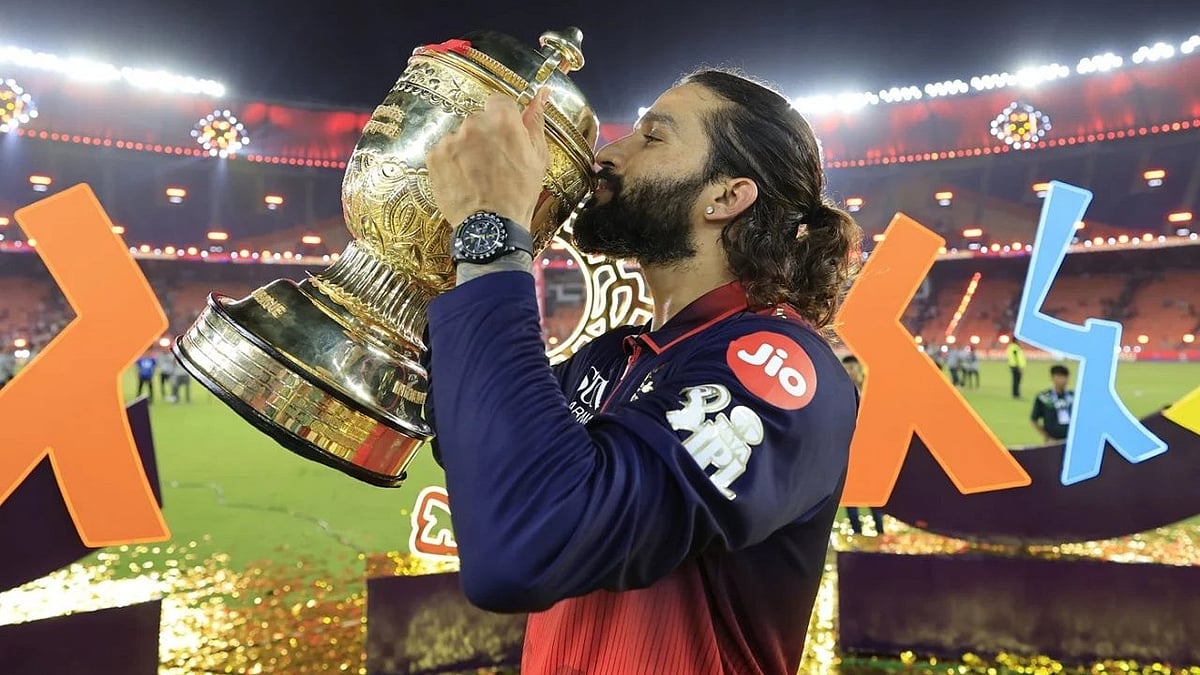
The dust is settling down on the Indian Premier League 2026 but it does leave a few intriguing questions about the bigger picture in future—even though the stakeholders may want to live in denial. There is a feeling that the magic is distinctly waning, and it has a lot to do with the way the league is being managed rather than any dip in the talent base of the players.
The fundamentals of the league are as robust as ever, what with the change of hands of two franchises: back-to-back champions Royal Challengers Bengaluru and Rajasthan Royals witnessing an exponential increase in value at approximately Rs 31,500 crore. The next big challenge for IPL will come next year when their five-year media rights deal comes up for renewal.
The battle of media rights may be a critical one—as the warning signals have been sounded in a data released by BARC India and TAM Sports which shows the TV viewership of IPL has dropped by nearly 18.8 per cent compared to last year. The average number of spectators watching the action has also gone down by 26 per cent, says the survey, though there have been several exceptions like the finale in Ahmedabad which recorded 90, 014 fans on Sunday night.
What is it that’s causing the richest T20 league in the world to lose out on some of it’s charm after years of riding the storm through economic recession, controversies and myriad problems? The few credible reasons that the BCCI needs to address urgently is: cricket fatigue, unwieldy duration of the league running though the peak of summer; an uneven contest between bat and ball which has led to frequent calls for removing the ‘impact player’ rule and the regulatory impact on Online Gaming Act last year.
Cricket fatigue
The 2026 cricket season started for India with a home series against New Zealand which wrapped up on 31 January, only for the ICC Men’s T20 World Cup to launch a mere week later on 7 February. When India lifted the trophy after defeating New Zealand in the final on 8 March, fans got barely three weeks before the IPL kicked off on 28 March.
Now that IPL has ended on 31 May, the break is even shorter as in just six days, India will face Afghanistan in a cross-format series consisting of a solitary Test and three ODIs. Such short turnaround times between major events is not helping, even if it’s IPL.
Unwieldy duration of league
Just ponder over the fact that this year, the IPL was on for over 65 days for 74 matches—an extremely unwieldy duration to hold the viewers’ interest even if the competition is of the highest order. If that’s not enough, the BCCI now has plans to increase the number of matches further so that all 10 teams can play each other on home-and-away basis and it can act as a hook for potential broadcasters.
Arun Dhumal, the IPL chairman, revealed that they are mulling over two options: one is an early start to the league and the other is that of splitting it into two windows to eventually go upto 94 matches. It remains to be seen how they can navigate this problem.
Uneven battle
Much has been written about the phenomenon, what with the introduction of ‘Impact Player' three years back proving to be the proverbial last nail in the coffin to the hopes of seeing balanced contests between bat and ball. This effectively equips a team with an extra batter—allowing the openers the liberty of throwing their bats at everything as even 100-plus scores in the powerplay do not raise eyebrows anymore.
Such manic hitting, be it from the boy wonder Vaibhav Sooryavanshi or a Cameron Green, tended to make the matches predictable with totals of 240-250 becoming a regular affair. The time has possibly come to put a few checks and balances—with somone like Sachin Tendulkar recommending a few rules changes in the T20 format.
Regulatory impact
The Promotion and Regulation of Online Gaming Act of 2025, which saw applications like Dream 11 and My11Circle making an exit, has proved to be another dampener for fan engagement. Many viewers watched matches specifically to track their fantasy teams but with the exit of fantasy sport apps, both advertising volume and viewers’ skin in the game have diminished.
This regulatory shift triggered a severe contraction in terms of business. The number of brands advertising on linear television broadcasts plummeted 31 per cent this season, shrinking to roughly 45 brands from more than 65 in 2025. With nearly 44 legacy advertisers abandoning the IPL ecosystem, only 24 new brands stepped in to fill the void.
Join our official telegram channel (@nationalherald) and stay updated with the latest headlines