Nation
At last, MP govt sets up panel to probe Indore water contamination
Discrepancies in death toll, political missteps and muddled accountability still raise questions
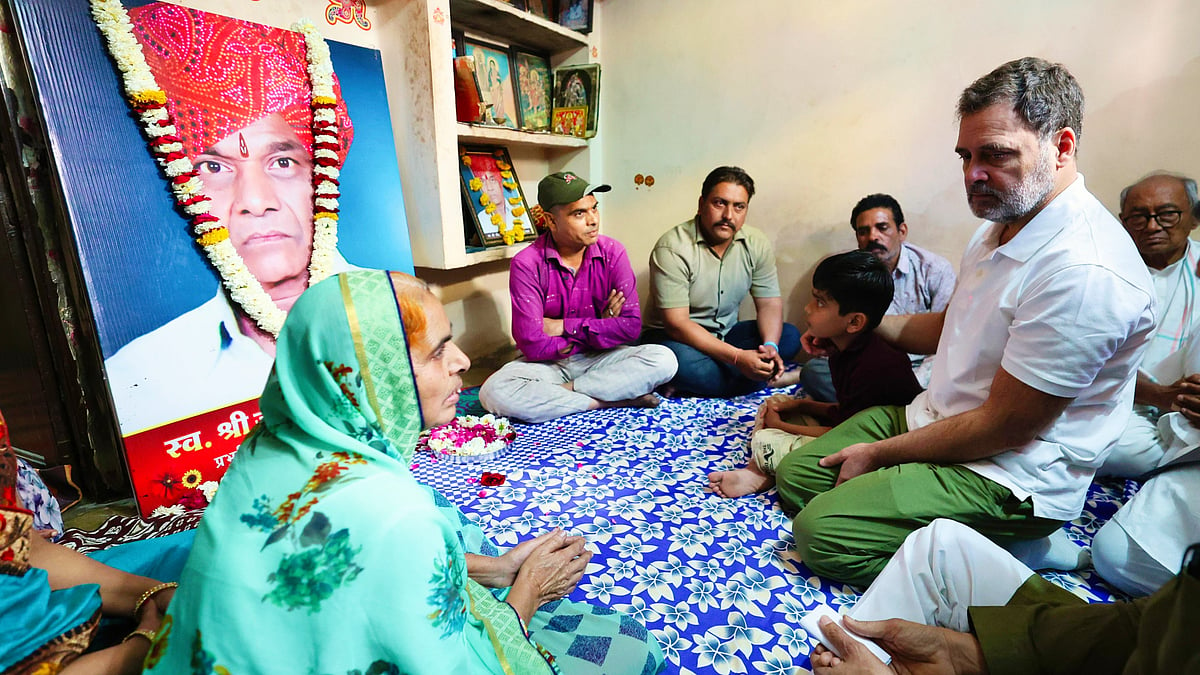
Madhya Pradesh's BJP government has constituted a state-level committee to investigate the deadly water contamination crisis in Indore’s Bhagirathpura, where foul and tainted drinking water has sparked a widespread outbreak of waterborne illness, hospitalisations and multiple deaths.
Chaired by additional chief secretary Sanjay Kumar Shukla, the panel is charged with uncovering the causes, analysing administrative and technical lapses, determining accountability and recommending preventive measures — with a one-month deadline to submit its report. The committee may gather departmental records, summon officials and conduct on-site inspections as part of its probe.
What has emerged from early investigations is a stark contrast between Indore’s surface reputation and the hidden vulnerabilities in its infrastructure. Though the city has been ranked India’s cleanest under the central government’s Swachh Survekshan survey for eight consecutive years — a testament to its success in visible sanitation and waste management — the tragedy revealed that sanitation rankings did little to safeguard the safety of drinking water delivered through ageing pipelines.
Residents in Bhagirathpura had for weeks reported discoloured, foul-smelling and bitter water, complaints that went largely unheeded by civic authorities before the outbreak took hold, tests confirmed bacterial contamination including sewage-linked pathogens, and laboratory findings point to sewage mixing into the municipal drinking supply through a leak in a water main near an overlying public toilet structure.
The human toll remains unsettled, with discrepancies between official and local figures fuelling distrust. The state’s status report to the Madhya Pradesh High Court put the death count at seven, including a five-month-old infant, while a government medical audit indicated that 15 deaths could be linked to the outbreak, and residents have asserted that as many as 23 people have died.
Over 1,100 cases of gastrointestinal illness in the affected neighbourhood have been documented, with diarrhoea and vomiting dominating symptoms that typify severe waterborne disease.
Administrative responses have been overshadowed by political turmoil and public anger. Urban development and housing minister Kailash Vijayvargiya — whose constituency includes Bhagirathpura — sparked controversy when he dismissed a journalist’s question about accountability with an off-camera retort that went viral, forcing a public apology. Opponents argued that such conduct reflected a broader reluctance to confront leadership failures even as residents bore the brunt of the crisis.
Critics have also targeted chief minister Mohan Yadav, who serves as minister in charge of Indore district, suggesting that ultimate responsibility for basic water safety rests with the state leadership. On the municipal front, Indore mayor Pushyamitra Bhargava’s focus on future infrastructure projects, including a proposed Rs 800-crore Narmada supply upgrade, has struggled to address immediate outrage over poor pipeline monitoring and oversight that preceded the crisis.
Opposition parties escalated their agitation in response. After threatening a statewide protest movement, the Congress on 11 January staged a large 'Nyay Yatra' (justice march) in Indore, drawing hundreds and demanding the resignation of implicated officials and transparent inquiry findings. The protest was followed by continued demonstrations and a visit by Rahul Gandhi to families of affected residents.
The tragedy has also drawn broader scrutiny of water governance. Despite repeated complaints from residents and evidence of bacterial contamination in multiple municipal supply samples, corrective action such as testing and emergency chlorination began only after the outbreak reached crisis proportions, reflecting systemic blind spots in quality monitoring.
Experts note that ageing infrastructure and intertwined sewage and drinking water pipelines — combined with intermittent supply pressures — create conditions ripe for contamination, a vulnerability that sanitation rankings alone cannot capture.
With PTI inputs
Join our official telegram channel (@nationalherald) and stay updated with the latest headlines