


Annus Horribilis: The broken ledger of 2025
A look back at the last 12 months — a landscape scarred by systemic failure, economic volatility, and a fraying social fabric


As the curtain falls on 2025, the national mood is not one of festive reflection, but of exhausted survival. To look back at the last twelve months is to survey a landscape scarred by systemic failure, economic volatility, and a fraying social fabric. For India, 2025 was not merely a challenging year; it was annus horribilis — a year where the safety nets of governance, diplomacy, and civil decency seemed to unravel all at once.
Season of calamity: From pilgrimages to flight paths
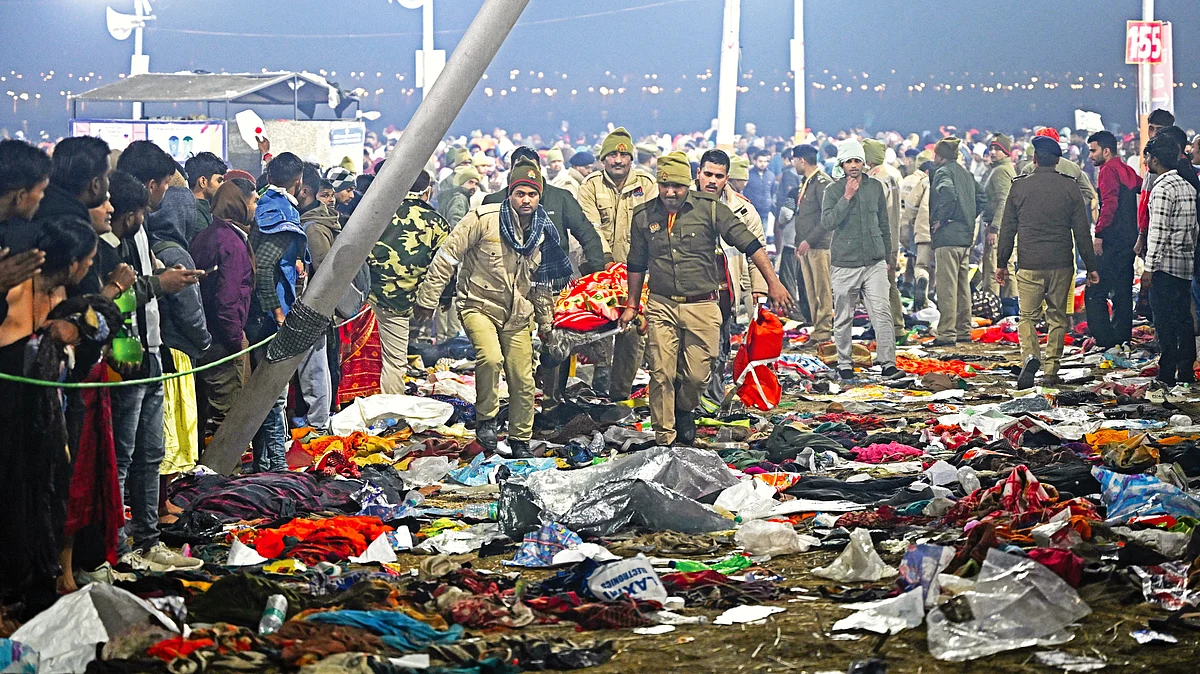
The year began with the heavy silence of grief. The Maha Kumbh stampede on Mauni Amavasya turned a moment of spiritual peak into a site of unimaginable tragedy, exposing the hollow core of our disaster management protocols.
This was followed by a chilling return of terror; the Pahalgam attack — where Hindu tourists were systematically targeted — and subsequent strikes in Delhi shattered the illusion of a 'normalised' security landscape as the government machinery would have us believe.
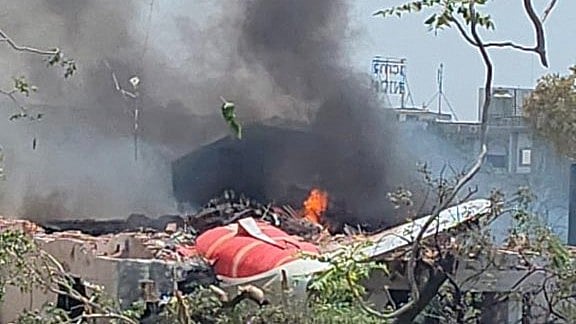
The chaos extended to the skies. The twin crises of Air India and IndiGo — ranging from a tragic crash to unprecedented operational meltdowns — left 270 people dead in the first case and millions of travellers stranded in the second, and the nation’s aviation reputation in tatters.
On the ground, the very air became poison. Delhi’s worst-ever AQI readings were no longer a seasonal headline but a permanent health emergency, a visible manifestation of a state that has failed to protect the basic right to breathe.
The economic tightrope: Tariffs, tumbles, and tensions
Financially, the balance sheet of 2025 is written in red. The Indian rupee’s historic slide to 91 against the dollar sent shockwaves through the middle class, driving up the cost of everything from fuel to education. This domestic instability was exacerbated by a hostile global climate.
The Trump tariff war hit Indian exports with surgical precision, while the US President’s unsolicited interference in Operation Sindoor — India’s military response to Pakistan post-Pahalgam — introduced a volatile element of 'transactional diplomacy' that unsettled New Delhi’s strategic autonomy.
Domestically, the 'common man' bore the brunt of a tightening fiscal fist. The increase in railway fares — the second in a single year — and the quiet phasing out of MGNREGA have stripped away the last vestiges of a safety net for the rural poor, even as allegations of vote chori (election fraud) cast a long, dark shadow over the sanctity of the democratic process.

The fraying fabric: Justice and vigilantism
Perhaps the most damaging entries on this year’s ledger are the moral ones. 2025 will be remembered for the release of convicted rapists, a move that felt like a secondary assault on the collective conscience of the nation.
This climate of impunity appeared to fuel a surge in mob lynchings and targeted attacks on Christians, particularly during the year-end Christmas festivities. When the state is seen as a bystander — or worse, an enabler — of vigilante justice, the rule of law becomes a mere suggestion.
In conclusion
The report card for 2025 shows a nation that is growing more polarised, where the "othering" of minorities has moved from the fringes of rhetoric to the center of the street.
As we transition into 2026, the question is not whether we can recover the lost GDP or rebuild the crashed planes, but whether we can restore the trust that has been burnt. A balance sheet can be balanced with numbers, but a nation’s soul requires more than just accounting; it requires accountability.
Hasnain Naqvi is a former member of the history faculty at St Xavier’s College, Mumbai. More of his writing may be read here
Join our official telegram channel (@nationalherald) and stay updated with the latest headlines